Ever wonder whether the Mission District would feel exciting every day or exhausting after a week? If you are thinking about living in 94110, that is a fair question. The Mission has a strong identity, a fast street rhythm, and a very public kind of neighborhood life. This guide will help you understand what daily life really looks like, from housing and transit to parks, food, and the tradeoffs that come with dense city living. Let’s dive in.
The Mission feels active and visible
The Mission District is not a tucked-away, purely residential neighborhood. City planning materials describe it as a dense, mixed-use area with a strong cultural identity and a long history as a hub for immigrant, refugee, and native-born communities. In practical terms, that means a lot of daily life happens out in the open, on sidewalks, at corner businesses, and along busy commercial streets.
The main corridors that shape the neighborhood are Mission Street, Valencia Street, and 24th Street. These streets support a mix of shops, services, housing, small offices, and other local businesses, so the neighborhood often feels like it is always in motion. If you like places where you can step outside and immediately feel connected to the city, that can be a big draw.
It also helps to know that the Mission is still evolving. San Francisco Planning treats the area as one that is actively being stabilized, with ongoing priorities around affordable housing access, small-business support, cultural vitality, and public space. So if you move here, you are not moving into a frozen time capsule. You are moving into a neighborhood that is still changing in real time.
Culture is part of daily life
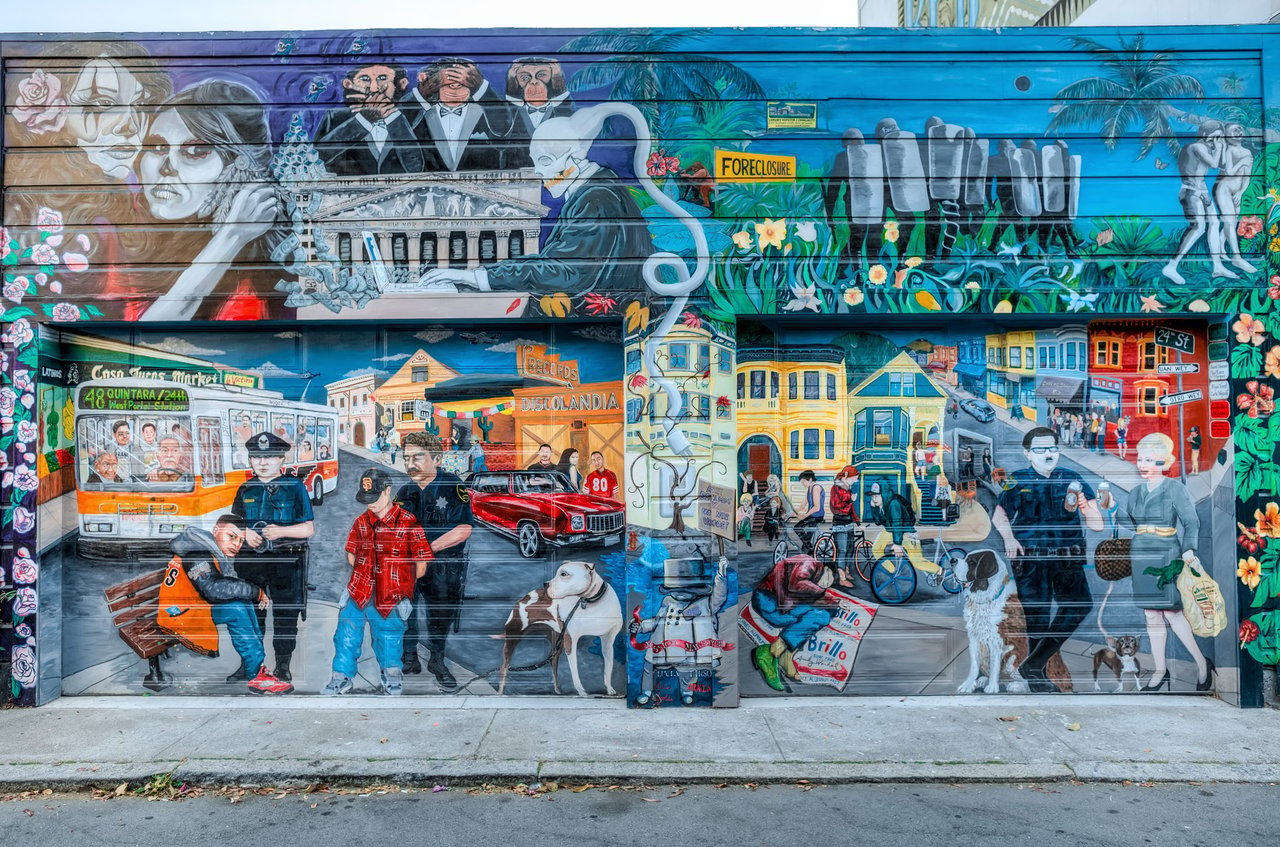
The Mission’s identity is deeply tied to murals, arts spaces, and long-standing cultural institutions. San Francisco Planning connects the neighborhood to a long Latino and American Indian community presence, while local arts organizations highlight mural restoration and Latino cultural programming as ongoing priorities. That gives the area a sense of place that feels visible, not hidden.
For you as a resident, that can mean your daily routine includes public art, community events, and blocks that feel expressive and distinct. The neighborhood does not read as generic. It feels layered, lived-in, and creative.
That said, culture here is not just something to admire from a distance. It is part of the neighborhood’s ongoing story. That can make the Mission feel more grounded and more emotionally resonant than areas that are polished but less distinct.
Getting around is easier without a car
If you want a car-light lifestyle, the Mission makes that more realistic than many neighborhoods do. SFMTA identifies the area as one of San Francisco’s transit-rich neighborhoods, and BART serves it with both the 16th Street Mission and 24th Street Mission stations. That gives you strong connections for commuting and daily movement.
The neighborhood is especially shaped by walking, Muni, and BART. Both Mission BART stations operate without parking, and the 24th Street station adds bike racks, BayWheels access, and direct Muni connections. All of that reinforces the feeling that transit is not an extra here. It is part of the default routine.
San Francisco’s Mission Area Plan also links strong transit service to reduced parking minimums in some parts of the neighborhood. For many residents, that translates into a simple reality: having a car is possible, but parking may feel more like a recurring challenge than a convenience. If easy parking is high on your wish list, the Mission may feel frustrating.
Housing feels urban, older, and varied
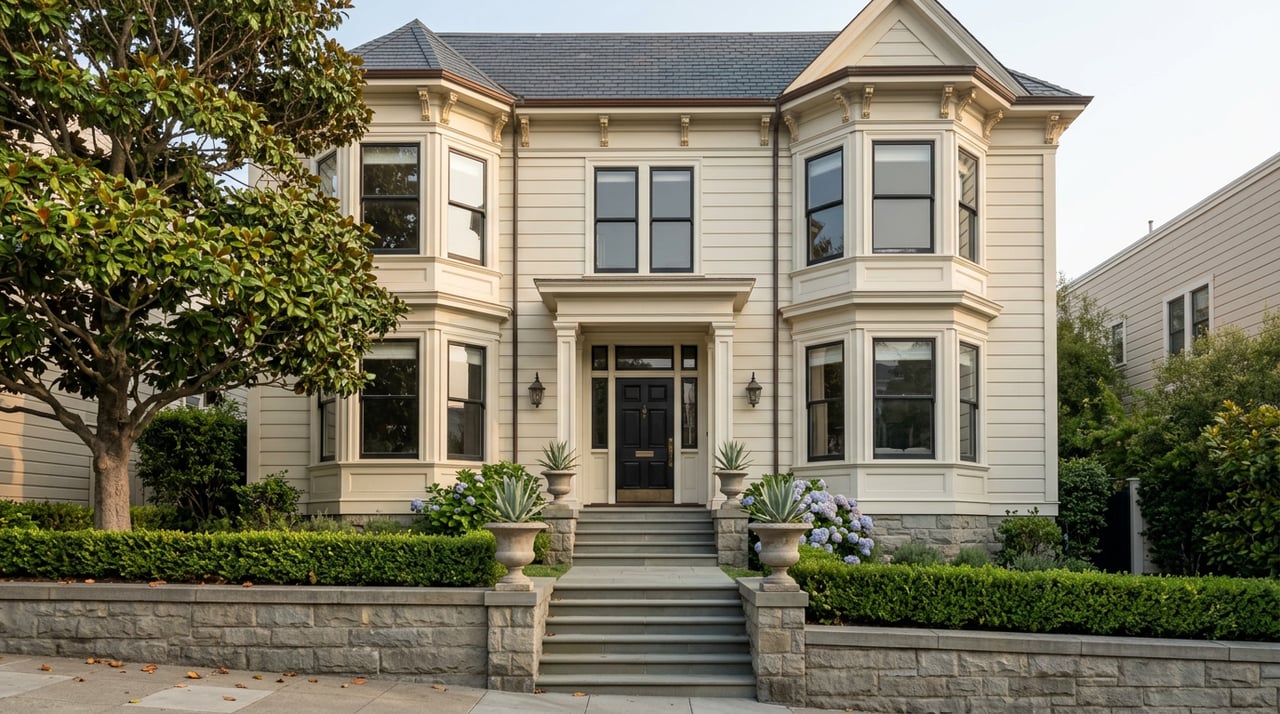
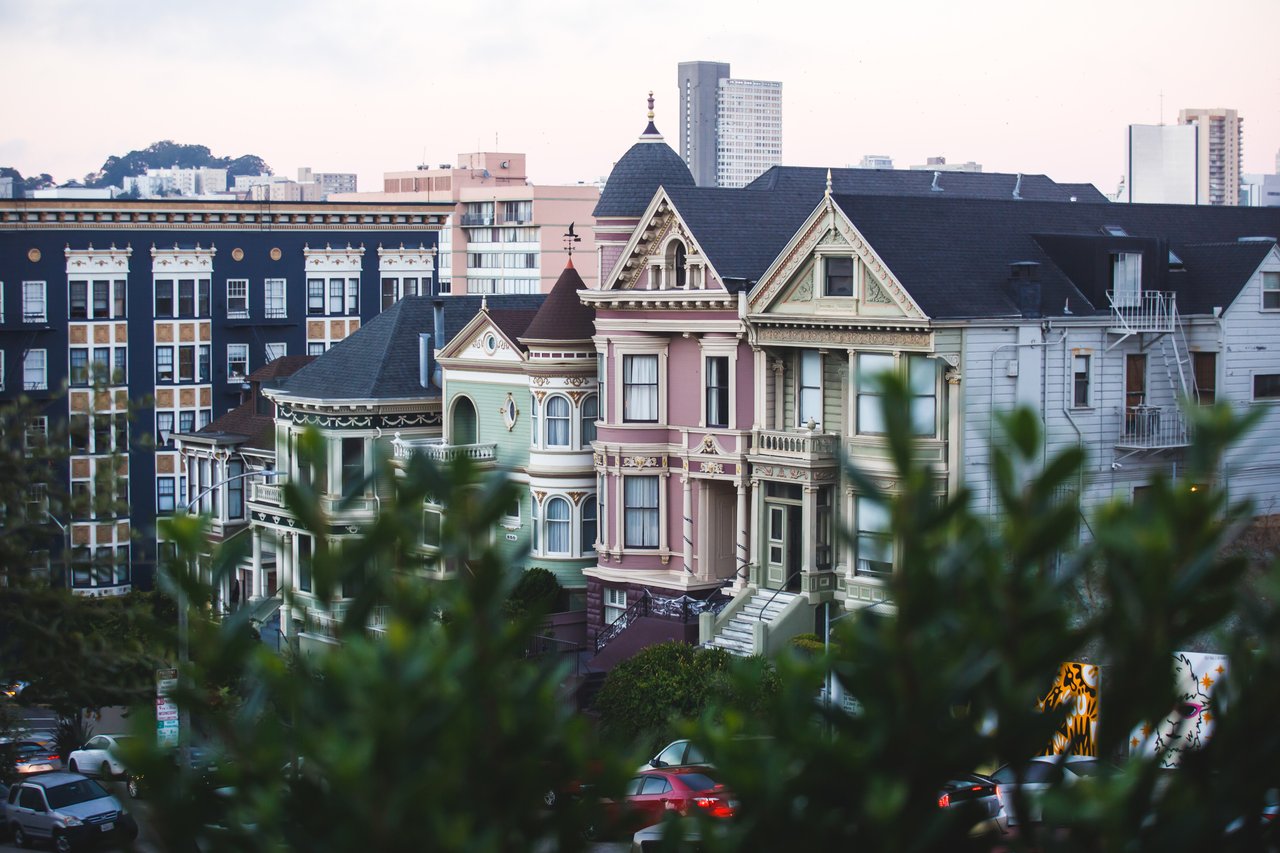
The Mission’s housing stock has a lot more texture than a quick drive-through might suggest. San Francisco Planning notes that much of the neighborhood began as one of the city’s early streetcar suburbs, with Victorian homes tied to transit growth. After the 1906 earthquake and fire, reconstruction added taller and denser Edwardian, Classical Revival, and Mission Revival buildings.
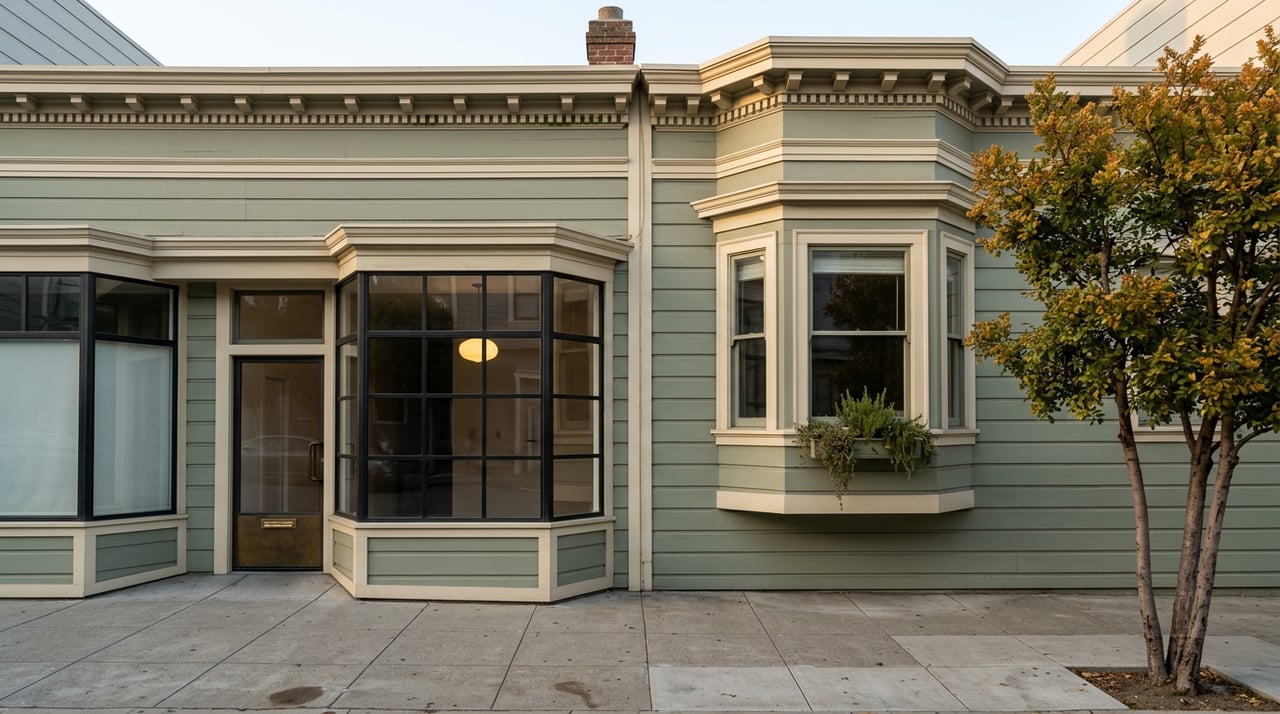
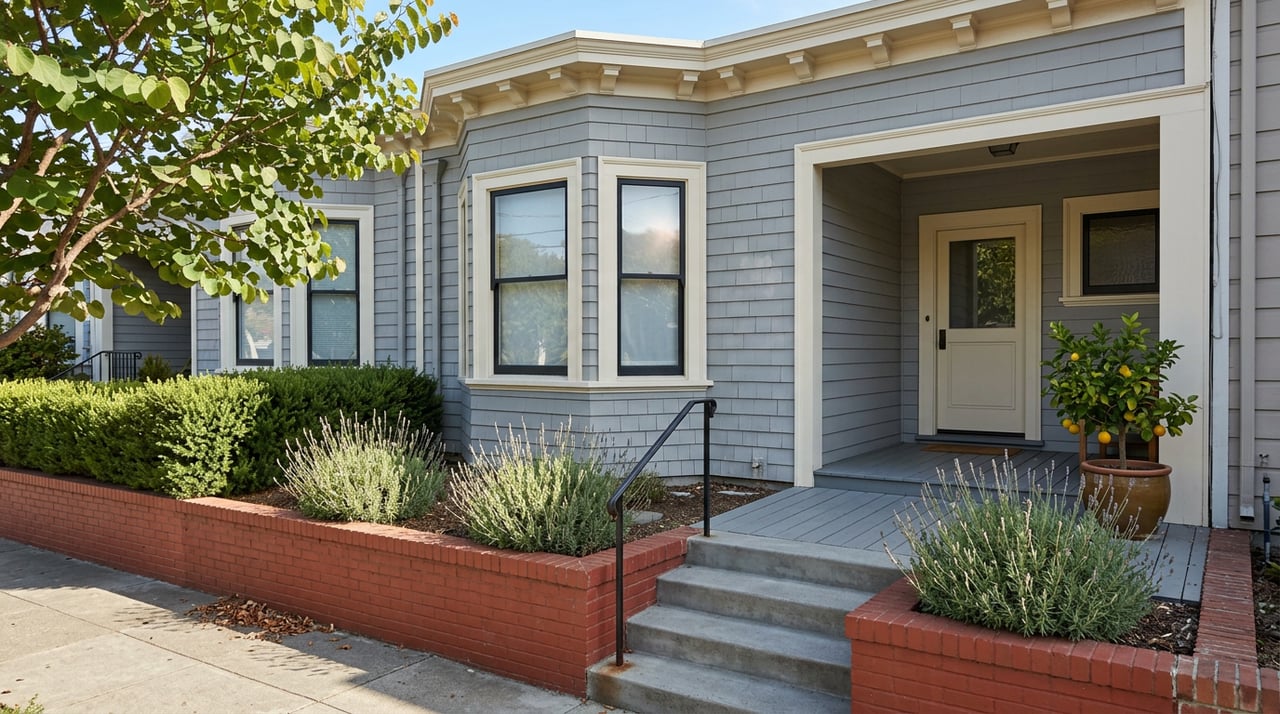
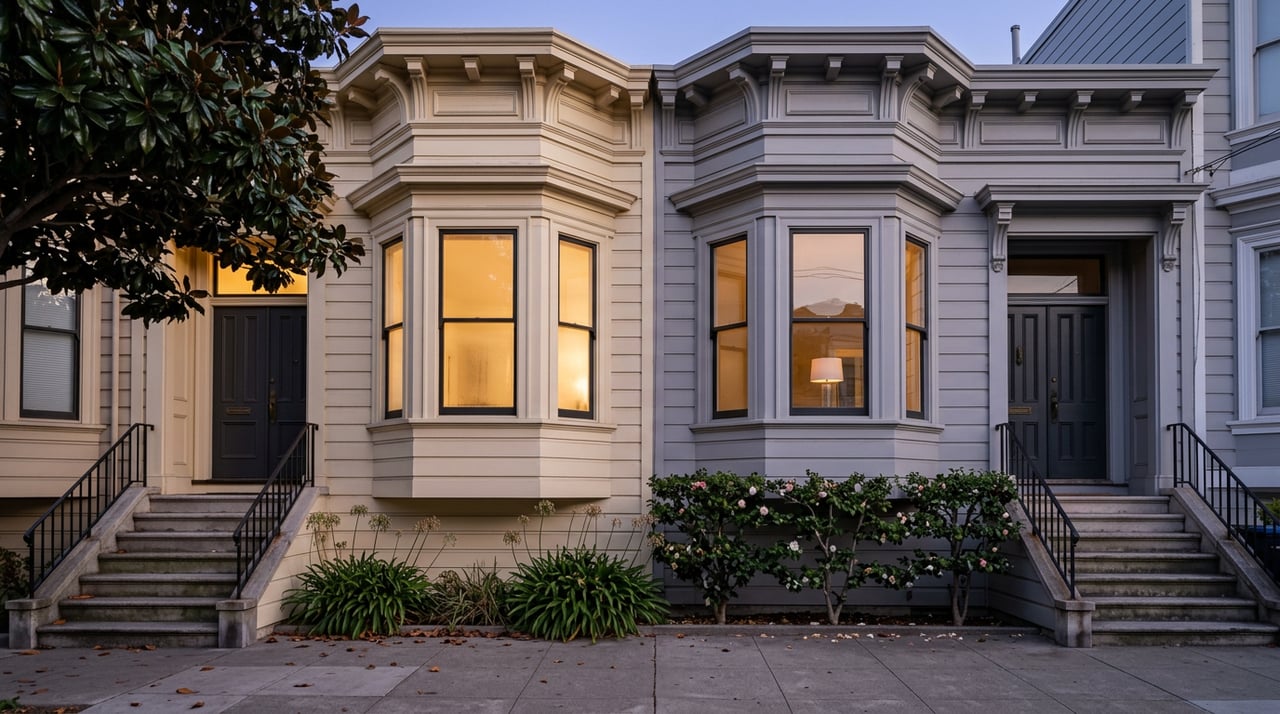
That history shows up in the streetscape. You will see apartments, flats, mixed-use buildings, row-house cottages, and multifamily structures, often within a few blocks of each other. Detached houses exist, but they are not the dominant form.
For everyday living, that usually means older facades, smaller lots, stair-heavy buildings, and limited off-street parking. If you are used to suburban layouts with driveways, garages, and larger private outdoor space, the adjustment can feel real. If you appreciate character, architectural variety, and city density, the neighborhood may feel more interesting because of it.
The numbers also underline how urban and in-demand this area is. Census Reporter’s 2024 ACS snapshot for 94110 shows 66,865 residents, 27,208 households, and about 27,978.8 people per square mile. The same snapshot reports a median household income of $158,351 and a median owner-occupied home value of $1.45 million.
Daily life happens on the street
One of the clearest things about living in the Mission is that the neighborhood is highly street-oriented. The commercial corridors are not separated from daily life. They are daily life.
Mission Street is widely recognized as a main drag, Valencia Street is known for cafes and bars, and 24th Street is described as a tree-lined corridor with many Latino-owned businesses. That variety gives you options depending on the kind of block you want to spend time on, but it also means the neighborhood often feels social and public rather than quiet and tucked away.
If you are someone who likes grabbing coffee on foot, running errands without a car, or deciding dinner plans spontaneously, this is a real lifestyle advantage. If you prefer calm streets and a little more separation from commercial activity, the Mission may feel intense.
Parks are part of the lifestyle
Outdoor life in the Mission is very much city-park life. Mission Dolores Park is one of the neighborhood’s biggest draws, with nearly 16 acres, picnic areas, skyline views, soccer, tennis, basketball, and two off-leash dog areas. San Francisco Recreation and Park describes it as one of the city’s most popular parks, and it is busy enough that it no longer accepts new special events.
That popularity is part of the appeal, but it is also part of the tradeoff. On sunny days, Dolores Park can feel packed. If you love lively public space and a strong social atmosphere, that may sound perfect. If you want solitude, you may find yourself choosing your timing carefully.
Precita Park offers a different pace. It is smaller and more neighborhood-scaled, with a butterfly garden, grassy field, playground, and dog-friendly feel. It supports everyday routines in a quieter way, which can be a nice counterbalance to the energy of the bigger park spaces.
The area also benefits from community-focused recreation. Mission Recreation Center offers a gym, field, weight room, and youth sports programming, while Mission Arts Center provides classes in dance, theatre, ceramics, visual arts, and culinary arts. So the Mission’s park and recreation story is not just about hanging out outdoors. It is also about having places to participate.
Food and nightlife shape the vibe
If you ask people what the Mission feels like, food and going out will almost always come up. Local tourism and transit sources consistently describe the neighborhood as a place of restaurants, markets, performance spaces, shops, murals, and nightspots. That concentration gives the Mission a lot of its signature energy.
For many residents, this is one of the best parts of living here. You have a neighborhood where dining, coffee, casual meetups, and evening plans can all happen close to home. That convenience can make city life feel fuller and more spontaneous.
But it is worth being honest about the flip side. Busy sidewalks, active nightlife corridors, and popular gathering spots can also bring noise, crowds, and a general feeling of constant activity, especially near Valencia Street or Mission Street in the evening. The Mission tends to feel lively, not sleepy.
Who tends to love living here
The Mission is often a strong fit if you want walkability, transit access, visible culture, and a neighborhood with real personality. It works well for people who want urban energy and do not mind sharing space with that energy. If your ideal day includes walking to coffee, using transit, spending time in parks, and having food and culture close at hand, the neighborhood can feel deeply convenient.
It can also appeal if you are drawn to older architecture and block-to-block variety. The Mission is not uniform. That visual mix is part of what makes it memorable.
For buyers especially, this neighborhood can make sense if you want a San Francisco lifestyle that feels connected and social. You are not buying into quiet detachment here. You are buying into activity, access, and a strong local identity.
What the tradeoffs look like
No neighborhood is all upside, and the Mission is no exception. The same density and mixed-use layout that make it lively can also make it loud. The same transit-first design that makes car-free living easier can make parking more difficult.
Housing often comes with older buildings, stairs, compact footprints, and less private outdoor space than you might find in lower-density neighborhoods. Parks can be crowded. Main streets can be noisy. And depending on the block, the pace of life can feel fast.
That does not make the Mission a bad fit. It just makes it important to match the neighborhood to your actual lifestyle, not a fantasy version of city living. When people love living in the Mission, they usually love it because they want the tradeoffs that come with that energy, not in spite of them.
What it really comes down to
The simplest honest description is this: the Mission feels walkable, transit-rich, creative, and social. It also comes with the normal realities of dense urban living, including crowds, noise, and parking challenges. For the right person, that mix feels exciting and full of life.
If you are trying to figure out whether the Mission fits your next chapter, it helps to look past the headlines and ask how you want your days to feel. Do you want a neighborhood that is calm and car-oriented, or one that is active, layered, and out in the open? The Mission usually makes that answer clear pretty quickly.
If you are thinking about buying or selling in San Francisco and want a grounded, honest take on how a neighborhood fits your life, Wendy Newman can help you sort through the practical details with clarity and care.
FAQs
What is daily life like in the Mission District?
- Daily life in the Mission District tends to feel active, walkable, and public-facing, with much of the neighborhood centered around busy commercial corridors like Mission Street, Valencia Street, and 24th Street.
What is transportation like in the Mission District?
- Transportation in the Mission District is transit-friendly, with Muni service throughout the area and BART access at 16th Street Mission and 24th Street Mission, so many residents rely on walking, transit, and biking more than driving.
What is housing like in San Francisco’s Mission District?
- Housing in the Mission District is varied and often older, with a mix of apartments, flats, mixed-use buildings, and multifamily homes, plus limited off-street parking in many cases.
What are parks like in the Mission District?
- Parks in the Mission District range from large, busy gathering places like Mission Dolores Park to smaller neighborhood spaces like Precita Park, along with recreation and arts facilities that support everyday activities.
Is the Mission District a quiet neighborhood in San Francisco?
- The Mission District is generally better known for energy and activity than for quiet, especially near major corridors and nightlife areas where sidewalks and public spaces can stay lively.
Who is a good fit for living in the Mission District?
- The Mission District is often a good fit for people who want transit access, walkability, food, parks, arts, and a neighborhood with a strong sense of identity, and less ideal for those who want easy parking or a quieter, more car-oriented lifestyle.