I know this move well.
Not because I've helped a lot of people make it (although I have), but because I made it myself.
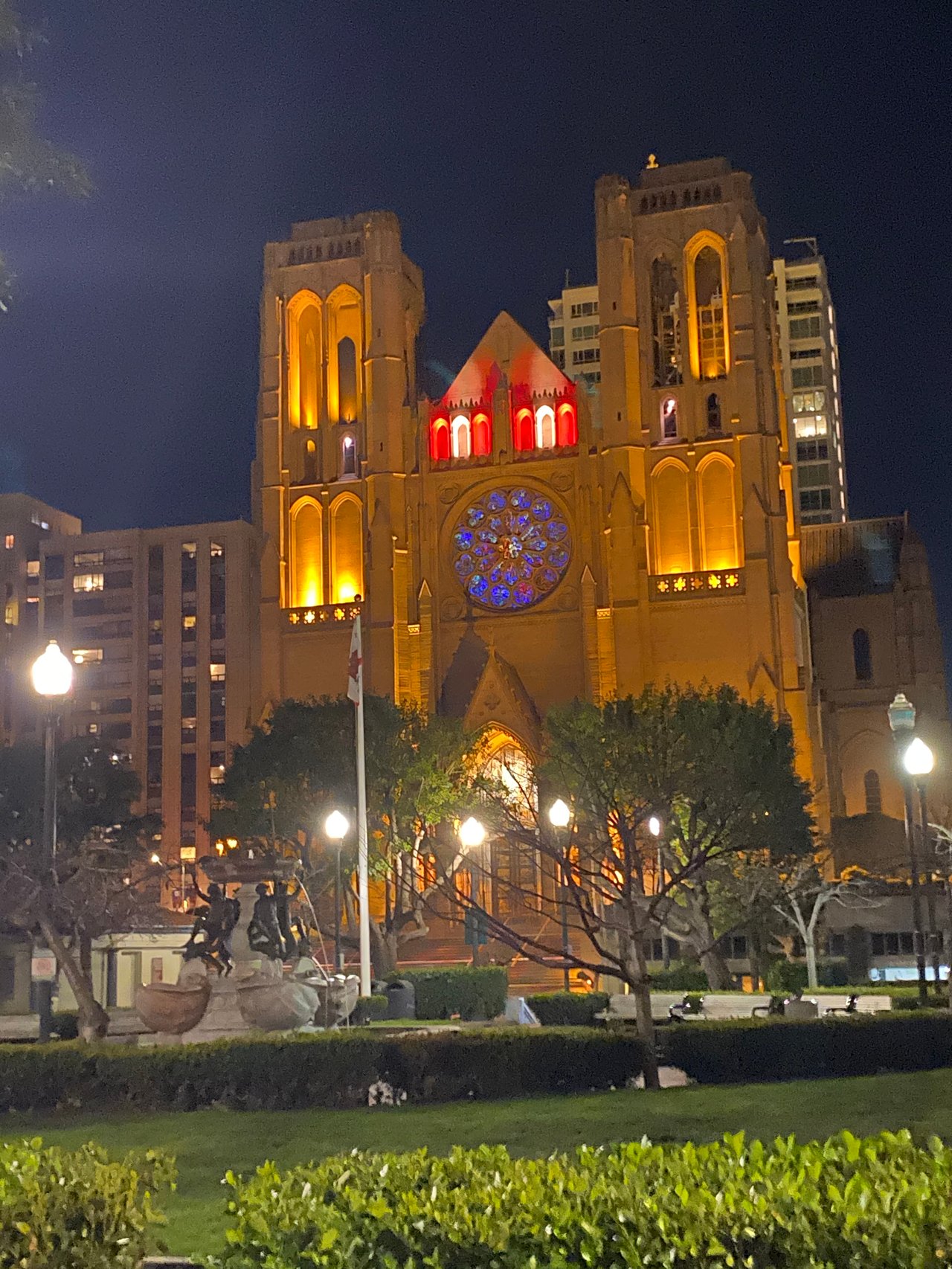
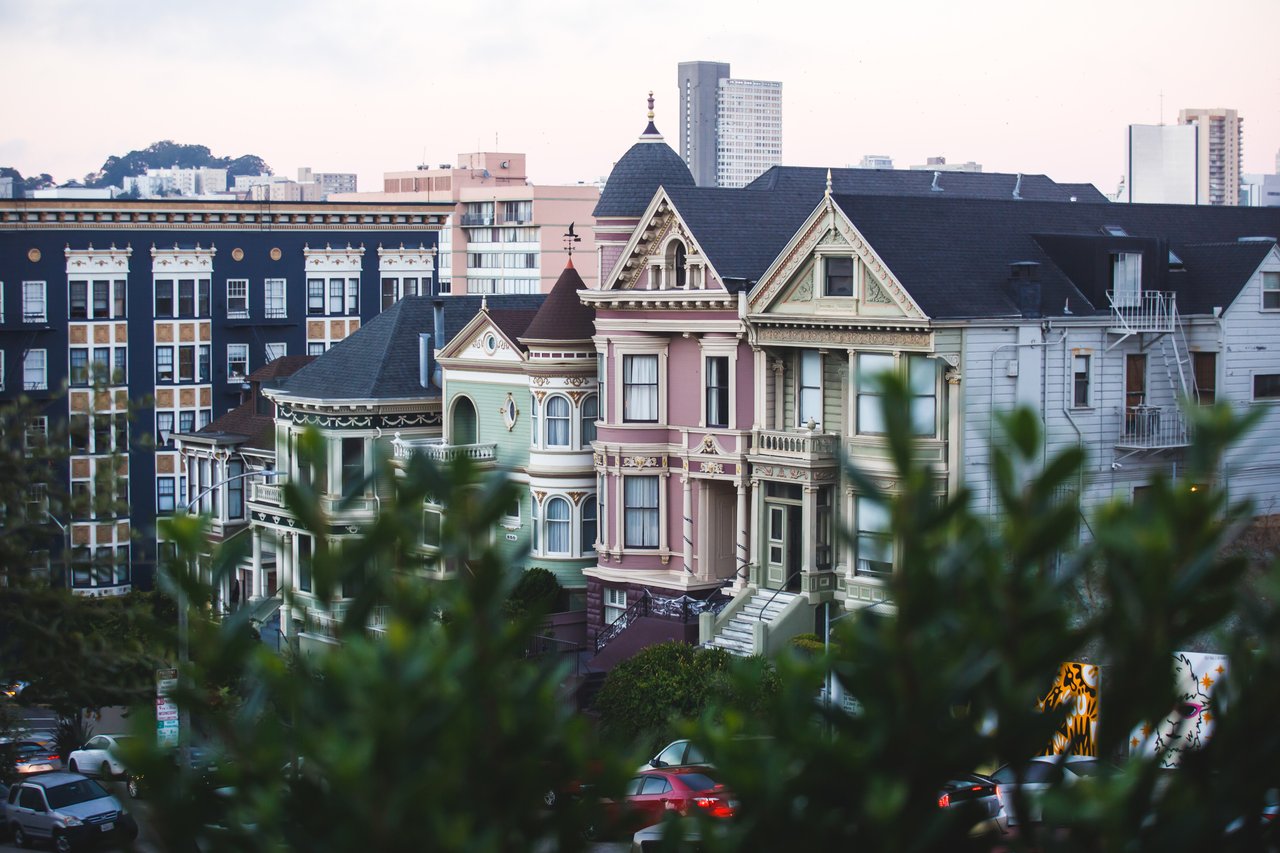
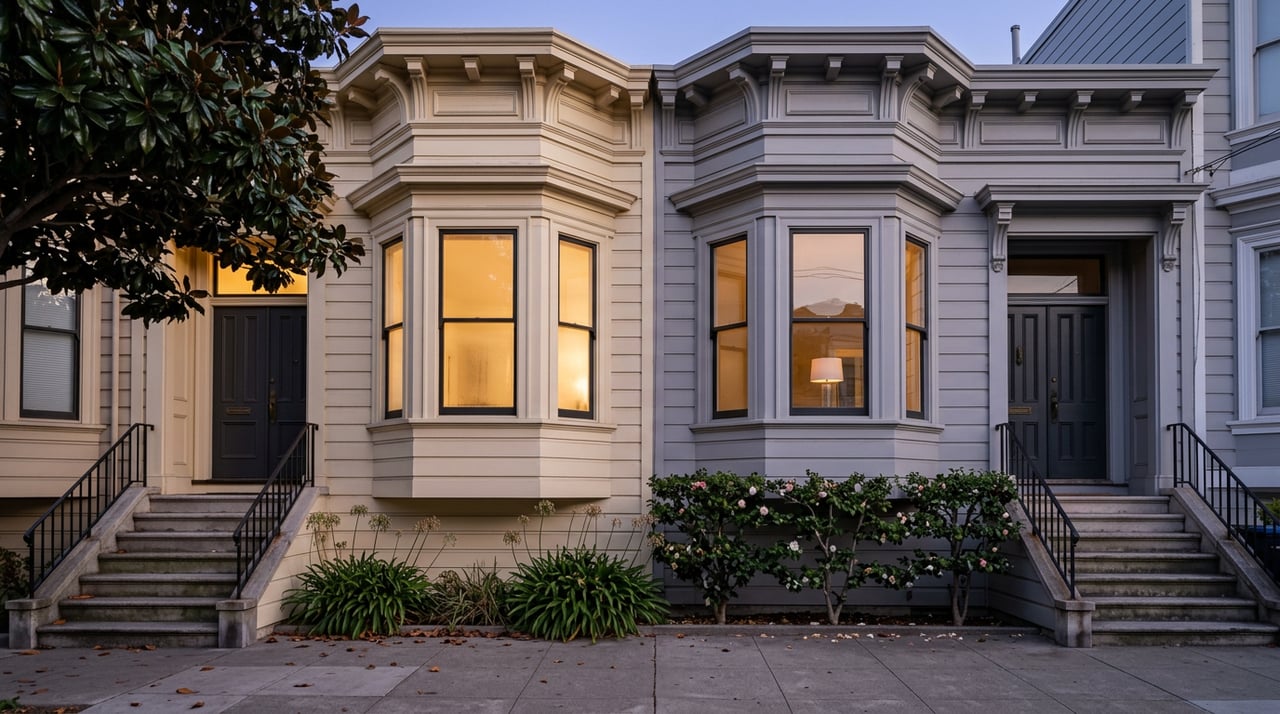
I split my time between San Francisco and Grass Valley, so I understand both worlds. I know what it's like to leave behind city conveniences, walkable neighborhoods, and endless restaurant options. I also know what it's like to wake up to pine trees, hear almost nothing outside your window (except frogs, chickens, and woodpeckers), and realize your stress level has quietly dropped by about 30%.
If you're thinking about moving from the Bay Area to Grass Valley, here are a few things I'd want you to know.
Your House Budget Is Going to Feel Different
Let's start with the obvious one.
For many Bay Area buyers, the first time they start looking at Grass Valley real estate, they assume they've accidentally clicked the wrong website.
The same budget that buys a small, one-bedroom condo in parts of San Francisco can buy acreage, views, a workshop, a pool, or all four in Nevada County.
That doesn't mean every house is a bargain. It does means your options expand dramatically.
Many of my clients arrive thinking they know exactly what they can afford. Then they realize they can afford things they never considered possible.
The Pace Is Slower
And I mean that in the best possible way.
Traffic exists. Sometimes there are six cars lined up at that stop sign! It's not Bay Area traffic.
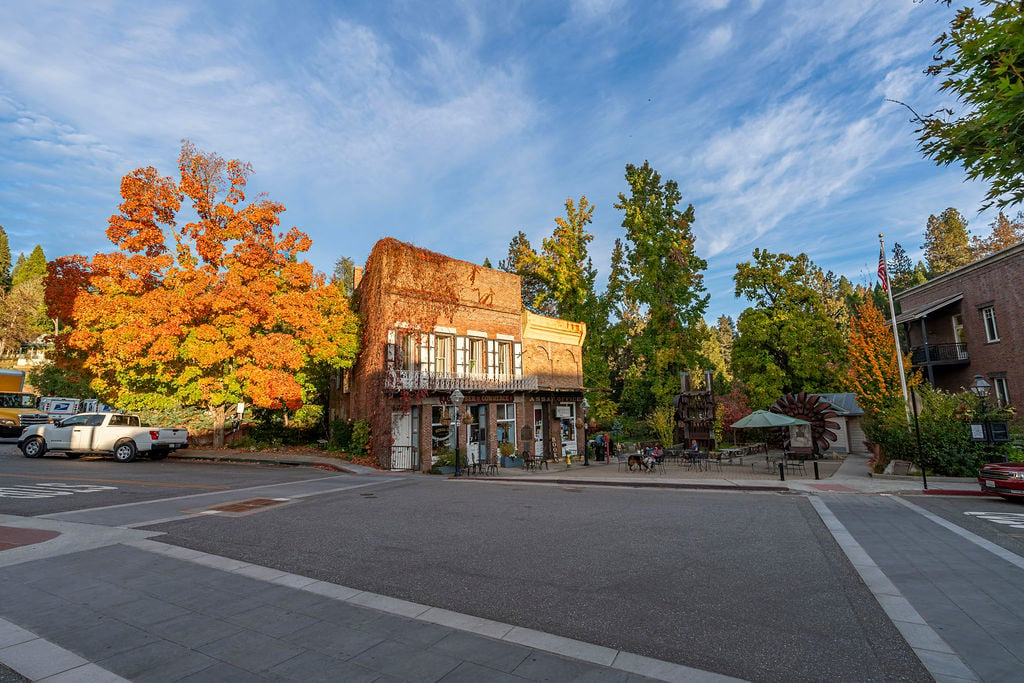
You won't spend forty-five minutes sitting in your car on First Street between Mission & Folsom. A traffic jam on Main Street lasts no more than five minutes.
You won't need reservations three weeks in advance to have dinner.
You won't feel like you're in competition with everyone around you.
The pace is slower. People stop and chat. The person in front of you at SPD Market llikely knows the cashier by name. You may discover that your contractor is also your neighbor's cousin.
It takes some adjustment, but before you know it, when you head to Brew Baker's Coffee, you'll be saying "hi" to at least three people you know. And for most people, it's one of the things they end up loving most.
You're Going to Drive More Than You Think
This surprises some people.
In San Francisco, I can walk to a coffee shop, a grocery store, dinner, and a hardware store.
You can have this too if you choose to live downtown. But for most of Grass Valley, it's different.
You'll likely drive more often for daily errands, and you'll become very familiar with Highway 49.
The tradeoff is that you're driving through pine trees instead of sitting in bumper-to-bumper traffic.
Most people consider that a fair exchange.
The Weather Has Actual Seasons
This is one of my favorite parts.
San Francisco has approximately three weather settings:
- Fog
- Less fog
- Unexpectedly warm for three days
Grass Valley has seasons.
Summer gets hot.
Fall is beautiful.
Winter gets cold enough for sweaters, fireplaces, and occasionally "postcard" snow.
Spring is green and gorgeous.
For many Bay Area transplants, experiencing real seasons and fall colors that rival those of the Northeast is one of the unexpected joys of the move.
The Homes Have Character
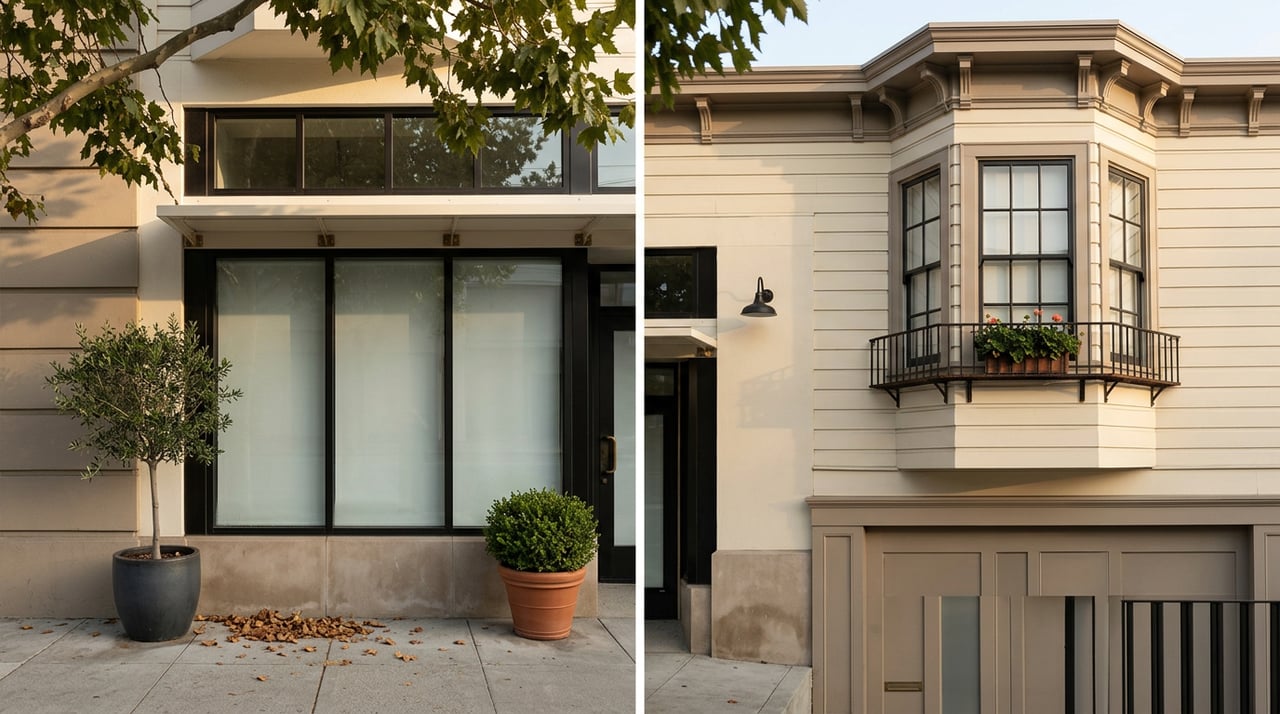
One thing I love about Grass Valley is that so many homes feel unique.
You won't find endless rows of identical houses.
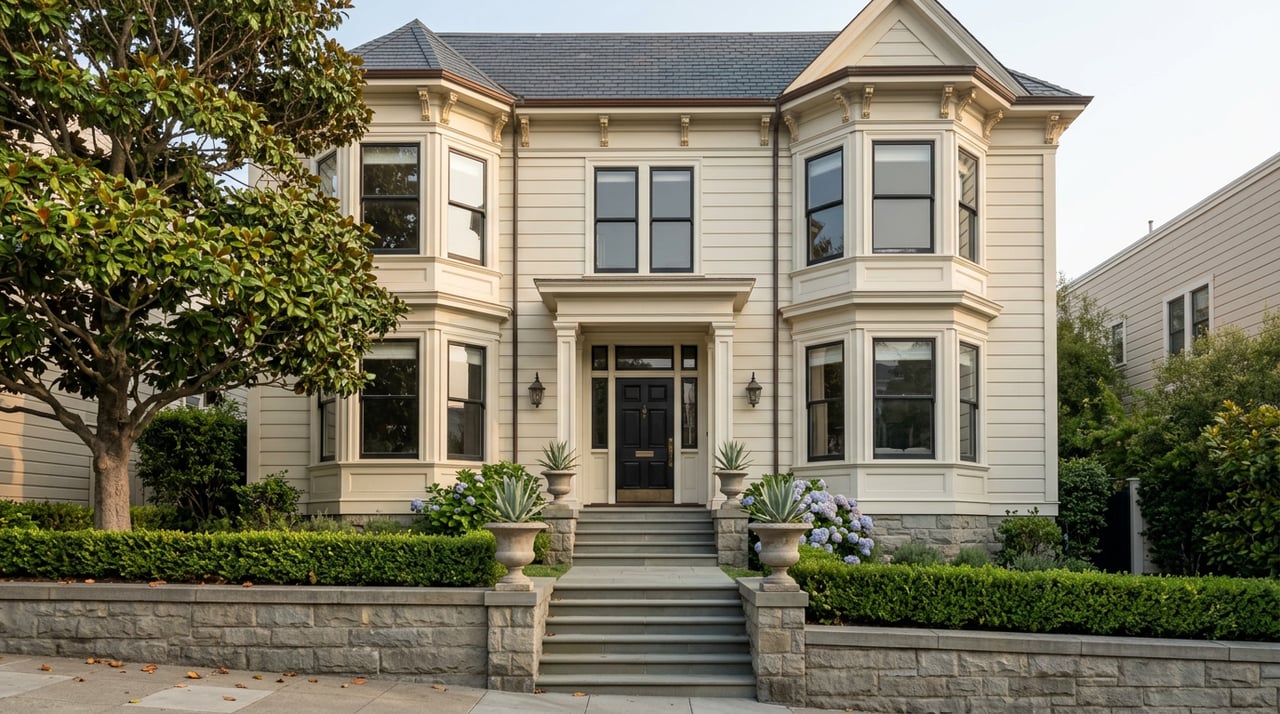
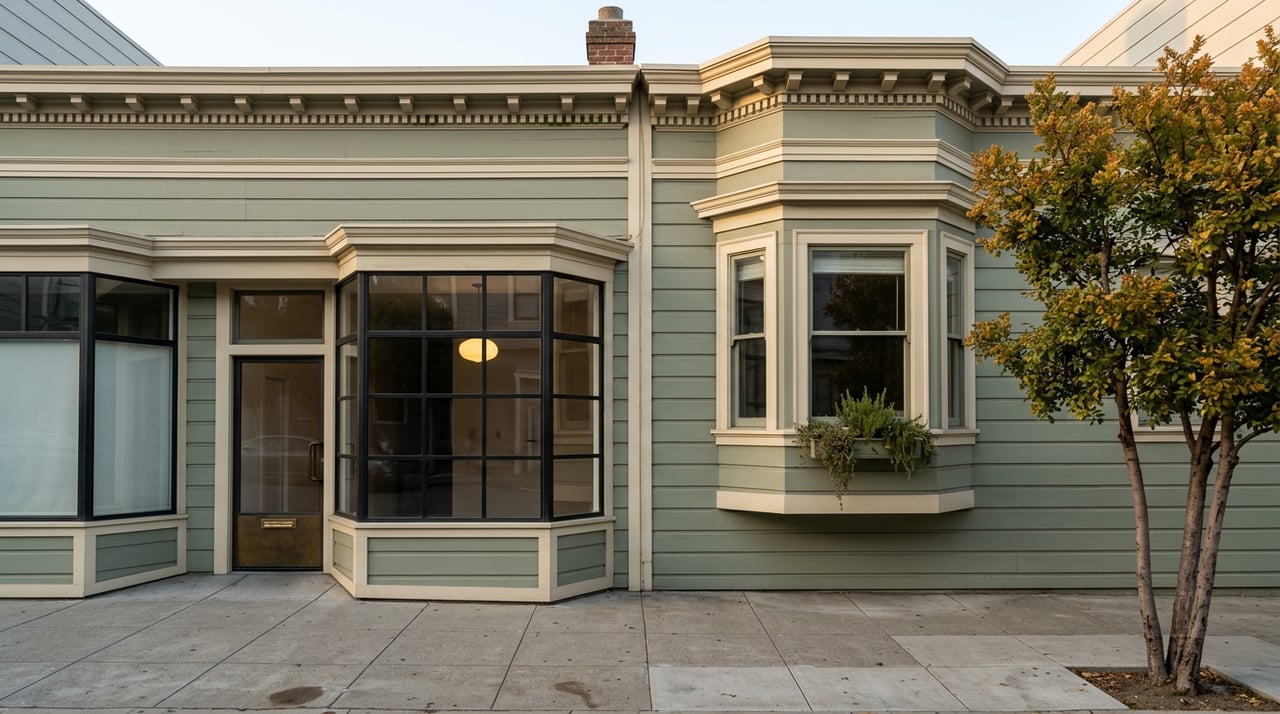
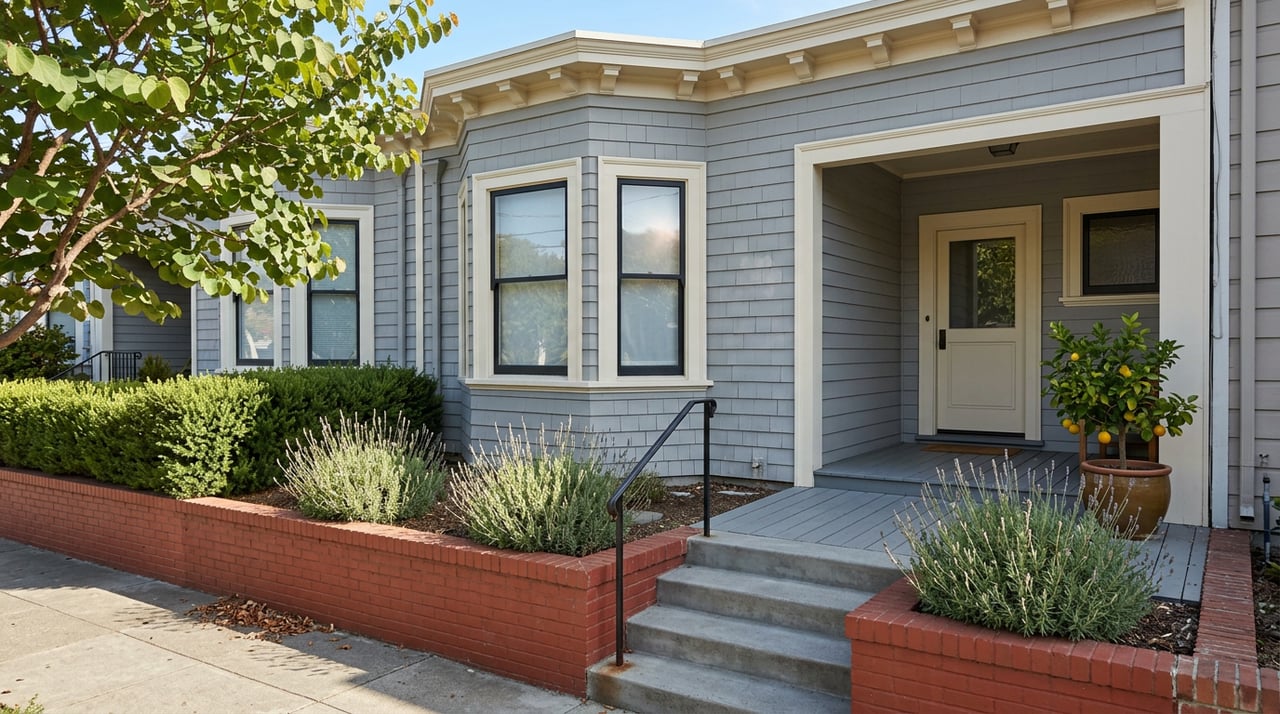
You might find a Victorian downtown, a mid-century ranch on acreage, a log cabin in the woods, a horse property, or a modern custom home with panoramic views.
Many properties have stories.
Many have quirks.
And yes, some have maintenance needs.
Part of the charm of Nevada County is that homes here tend to have personality.
Wildfire Is Part of Life Here
We should talk about this honestly.
Living in the foothills means wildfire preparedness becomes part of homeownership.
That doesn't mean you should be afraid.
It does mean you'll learn about defensible space, vegetation management, insurance, and evacuation zones in a way you probably never did in the city.
We use the Watch Duty app, which provides fire alerts and incident information. In the winter, the app mostly disappears from our minds. Somewhere around June, we make sure notifications are turned back on and move it back to the home screen of our phones.
Most locals take it seriously without obsessing over it.
It's simply part of living in a beautiful forested environment.
You May Not Miss the Bay Area as Much as You Think
This is the part that surprises people.
Many buyers move here assuming they'll be back in the Bay Area every weekend.
Then life happens.
They make friends.
They find favorite restaurants.
They join local groups.
They discover hiking trails.
They settle in.
Before long, they realize they're making fewer trips back than they expected.
Not because they stopped loving the Bay Area.
Because they started loving Grass Valley.
It's Not Rural. It's Smaller.
One misconception I hear all the time is that Grass Valley is "rural."
Some parts of Nevada County absolutely are.
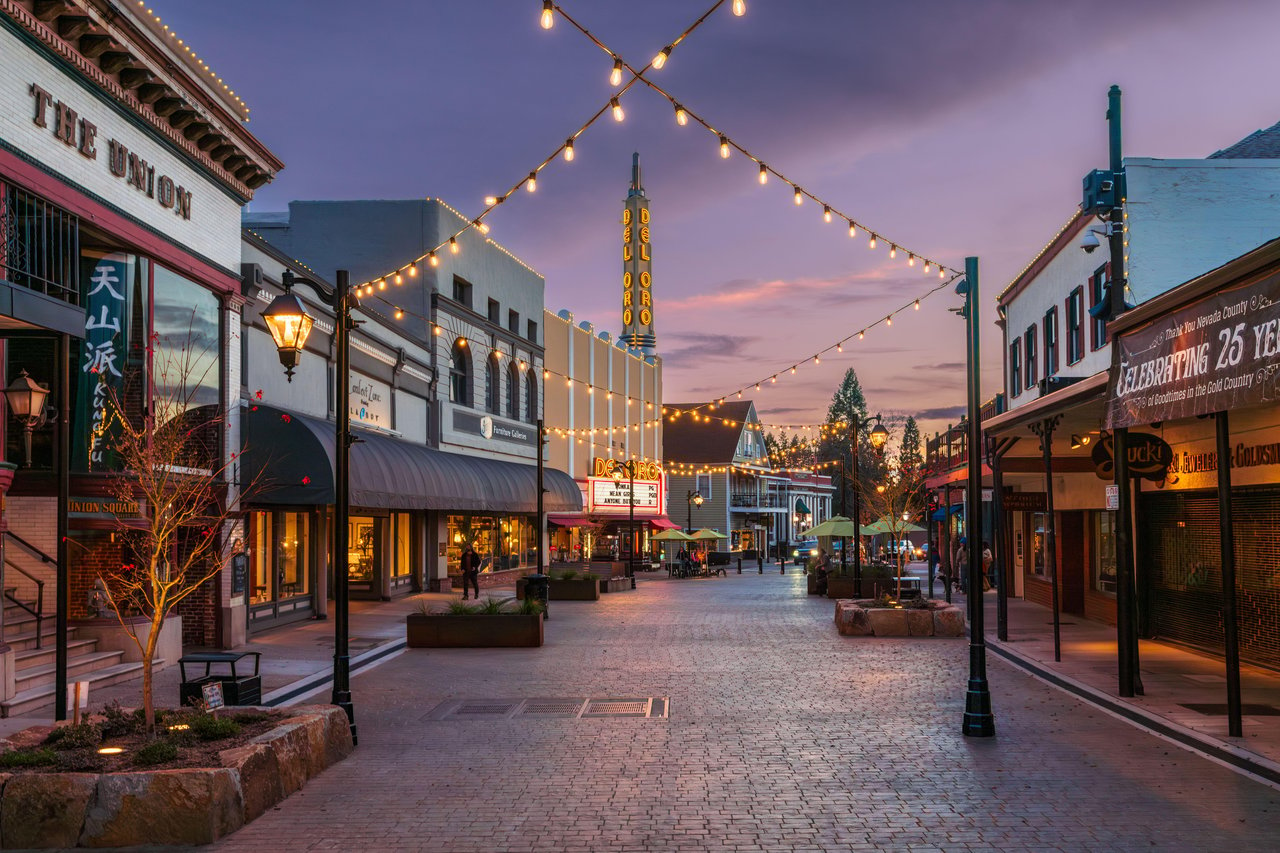
But Grass Valley itself feels more like a small town than the middle of nowhere. And with Nevada City's downtown only seven minutes away, it's really two small towns back-to-back. Think Berkeley and Oakland, just with fewer people and a lot more pine trees.
You still have grocery stores, restaurants, breweries, coffee shops, live music, community events, and vibrant downtowns.
What you don't have is density.
For many people, that's the entire point.
My Advice
Don't move here because it's cheaper.
Move here because the lifestyle feels right.
The people who are happiest in Grass Valley aren't usually the ones who found the biggest house.
They're the ones who found the life they wanted.
If you're considering a move from San Francisco or elsewhere in the Bay Area, I'd encourage you to spend some real time here. Visit on a weekday. Go to SPD. Walk downtown. Have coffee.
Or better yet, let me show you around.
I'll take you through the neighborhoods, down to the Yuba River, out to Scotts Flat Lake, and show you the places locals actually spend their time. You'll learn more in a few hours than you will from months of scrolling Zillow.
See how it feels.
Because once you find the right fit, Grass Valley has a way of feeling like home remarkably quickly.
Wendy Newman
Realtor®
Helping Bay Area residents make a successful move to Grass Valley, Nevada City, and Nevada County