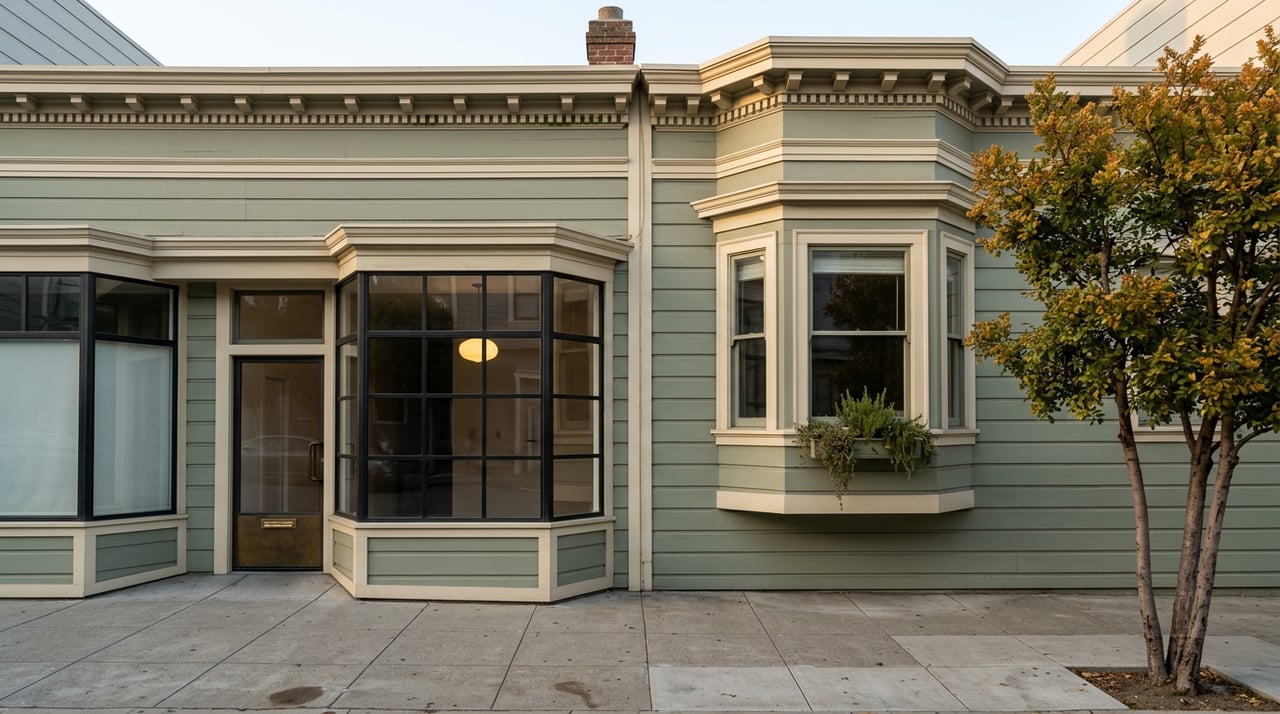
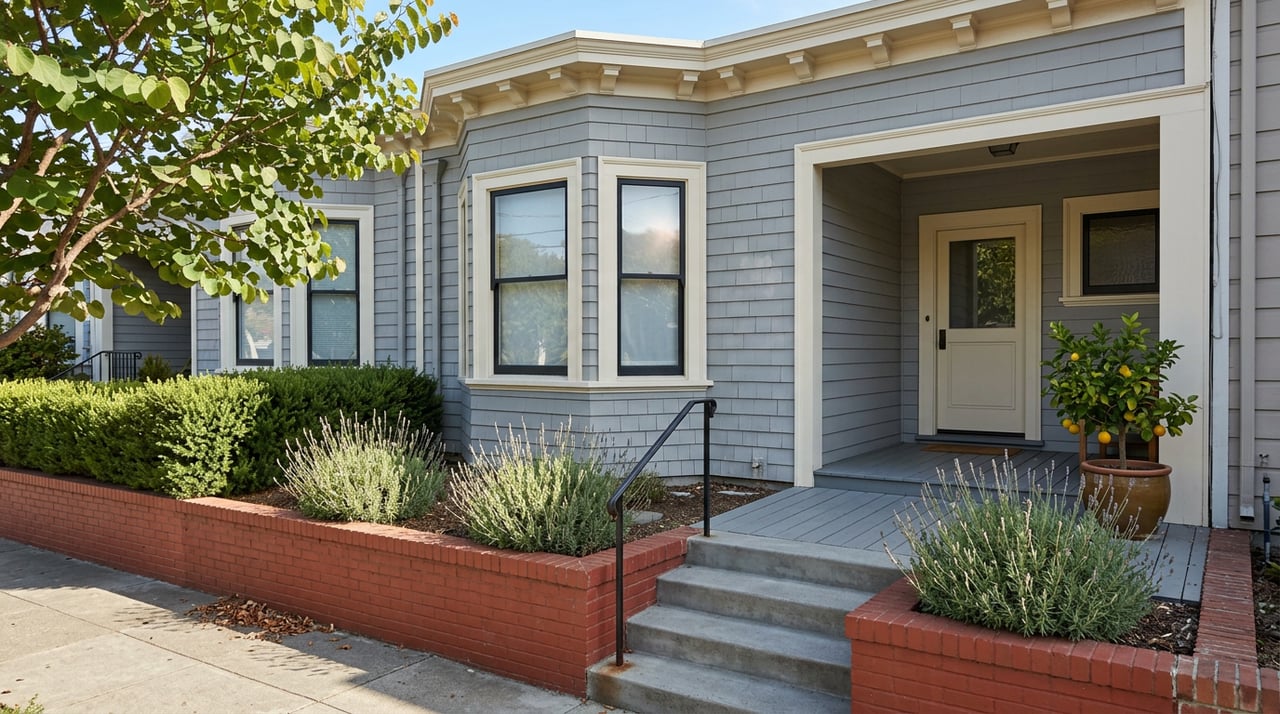
If you're shopping for a home in the Mission, one of the biggest decisions isn't necessarily where you want to live. It's how you want to own.
Many buyers start their search convinced they want a condo, a TIC, or a single-family home. But once we start talking, I usually discover they're trying to solve for something else entirely. They want a certain monthly payment. They want less maintenance. They want a backyard. They want autonomy. They want to stop paying rent.
The ownership structure is simply the vehicle that gets them there.
The good news? The Mission offers all three options, often on the very same block.
First, Let's Talk About What You're Really Buying
One of the quirks of San Francisco real estate is that two properties can look nearly identical and have completely different ownership structures.
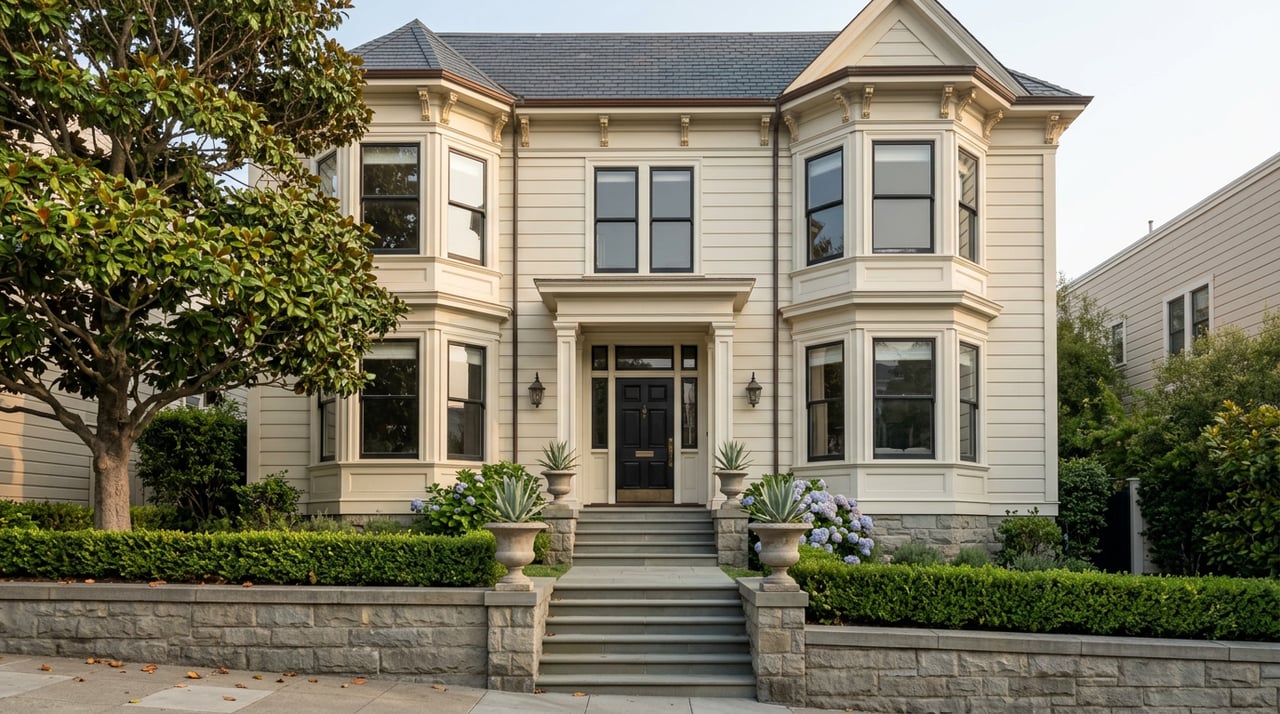
A beautiful Victorian flat might be a condominium. Or it might be a TIC. A two-bedroom unit with a shared yard might appear nearly identical online, but the financing, ownership rights, and long-term experience can be very different.
That's why one of the first things I help buyers determine is not what the property looks like, but how it's legally structured.
Because that's what affects your financing, your monthly costs, your responsibilities, and your flexibility down the road.
Why Buyers Choose Condos
For many buyers, condos offer the most straightforward ownership experience.
You own your unit and share ownership of the common areas with the other owners in the building. There is usually a homeowners association, monthly dues, and a system for maintaining the roof, exterior, hallways, and other shared spaces.
For some people, that's a huge advantage.
If the idea of coordinating a roof replacement with neighbors sounds exhausting, a condo may be exactly what you're looking for. There are budgets, reserves, meetings, and established procedures.
Of course, that convenience comes with HOA dues and association rules. You're gaining structure, but giving up a little independence.
For many buyers, that's a trade they're happy to make.
Why Some Buyers Love TICs
The Mission has long been one of the strongest TIC markets in San Francisco.
A TIC, or Tenancy in Common, is a different ownership structure. Instead of owning a separately subdivided condominium, multiple owners hold interests in the property and agree on who occupies which unit.
That sounds intimidating at first, but don't let the acronym scare you.
Many TICs are beautiful homes in wonderful neighborhoods. In fact, some buyers are surprised to discover that the flat they fell in love with happens to be a TIC rather than a condo.
The biggest advantage is often affordability.
A TIC may offer a lower entry point than a comparable condominium or single-family home, allowing buyers to get into a neighborhood they otherwise couldn't afford. Buyers should also understand that financing can be a little different. TIC loans are more specialized, and lenders often require a larger down payment than they would for a traditional condominium. That's not a problem for every buyer, but it's important to know before you fall in love with a property.
The tradeoff is that you need to understand the structure. You need to review the agreements carefully. And you'll want a lender and Realtor who understand TICs because they're a uniquely San Francisco ownership model.
I don't view TICs as "good" or "bad." I view them as different. For the right buyer, they can be a fantastic option.
Why Single-Family Homes Remain the Dream
Then there are single-family homes.
For many people, this is still the gold standard.
You own the land. You own the structure. You decide when to paint, remodel, landscape, or replace the roof. You don't need HOA approval. You don't need consensus from neighbors.
You simply make the decisions.
That level of control is appealing, especially for buyers who plan to stay for many years.
Of course, all that control comes with responsibility.
When the water heater dies, it's your problem. When the roof needs replacing, it's your bill. There is no HOA reserve account waiting in the wings.
In San Francisco, that independence often comes with a higher purchase price as well.
The Mistake I See Buyers Make
The biggest mistake I see is focusing entirely on purchase price.
A buyer will tell me they can afford a certain number, and then we start looking at properties. But list price is only part of the story.
What matters more is the monthly cost of ownership.
A condo may have HOA dues.
A TIC may have different financing considerations.
A single-family home may have no dues at all but require more maintenance and repairs.
The better question isn't, "What can I afford to buy?"
The better question is, "What can I comfortably carry every month while still enjoying my life?"
That's where clarity starts to happen.
So Which One Is Best?
Honestly?
None of them.
Or all of them.
The answer depends entirely on your goals.
If you value structure and predictable maintenance, a condo may be the right fit.
If you want Mission character and are comfortable understanding a slightly different ownership structure, a TIC may be a great opportunity.
If you value independence above all else and want maximum control over your property, a single-family home may be worth stretching for.
There's also something else to consider: liquidity. While every market is different, single-family homes tend to have the broadest buyer pool. In a slower market, they are often easier to sell than comparable condos or TICs because more buyers understand them, more lenders finance them, and more people are comfortable with the ownership structure.
The right answer isn't the same for everyone.
My job isn't to tell you which ownership structure is best. My job is to help you understand the tradeoffs, verify what you're buying, and make sure the decision still feels like a good one long after the excitement of house hunting wears off.
Because buying a home in San Francisco is a big decision. And the more clearly you understand your options, the better that decision tends to be.
If you're considering a condo, TIC, or single-family home in the Mission District, I'd be happy to help you sort through the details and determine which path makes the most sense for your goals.
Wendy Newman
Realtor®
Serving San Francisco, Nevada County, and beyond