Buying your first condo in San Francisco can feel a little like online dating. Every place looks amazing in the photos until you discover the HOA is $1,400 a month, the elevators are constantly breaking, or your dog weighs two pounds more than the building allows.
If you're considering the East Cut, you're looking at one of San Francisco's newest neighborhoods. Think glass towers, incredible transit, rooftop amenities, and an easy, flat, walkable lifestyle. For the right buyer, it's fantastic.
But here's the question I always ask my clients:
Do you want the condo, or do you want the lifestyle that comes with the condo?
Those aren't always the same thing.
I've helped buyers throughout San Francisco, and the East Cut tends to attract people who love convenience, modern buildings, and the ability to get almost anywhere without a car. If that sounds like you, this neighborhood deserves a closer look.
Why First-Time Buyers Love the East Cut
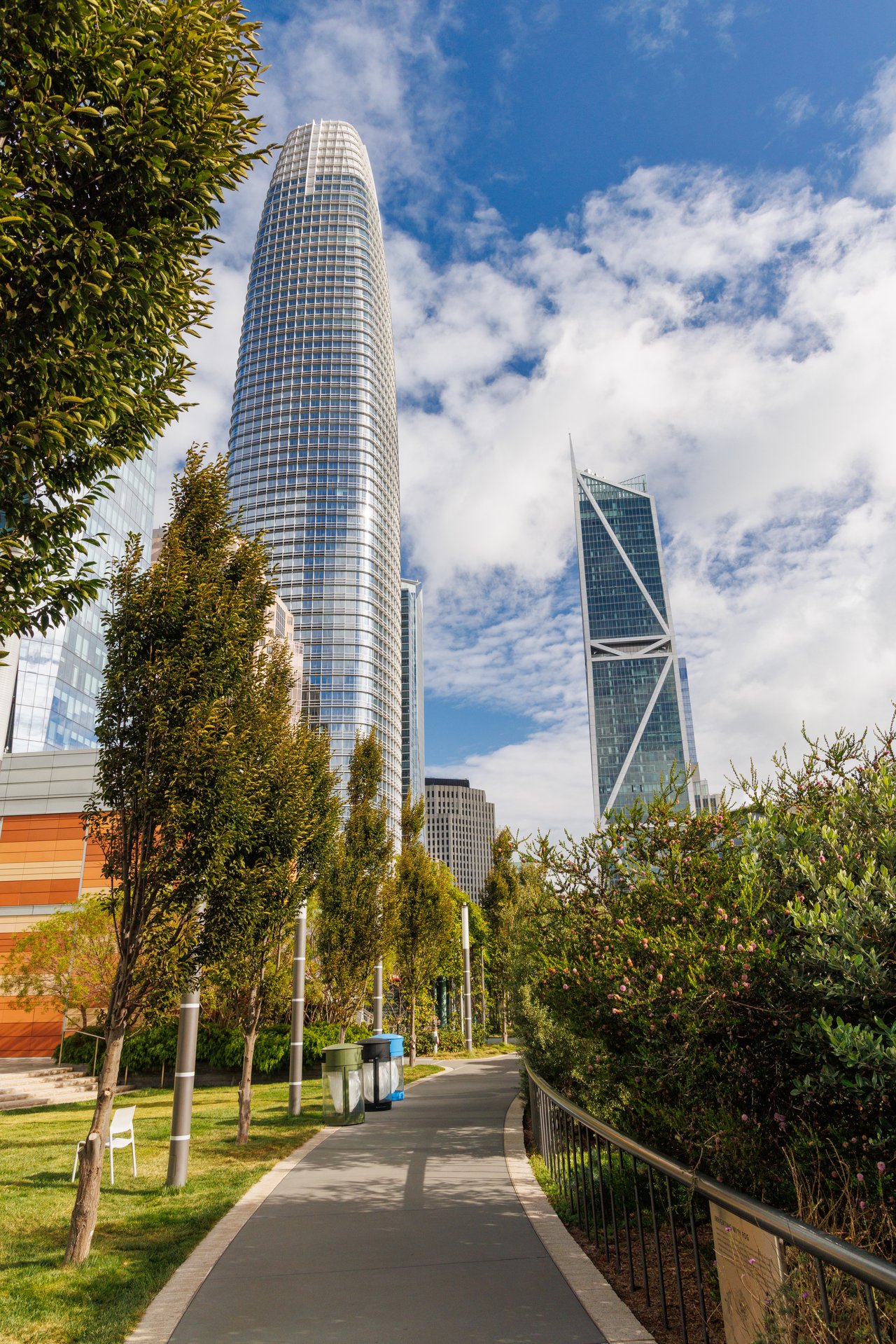
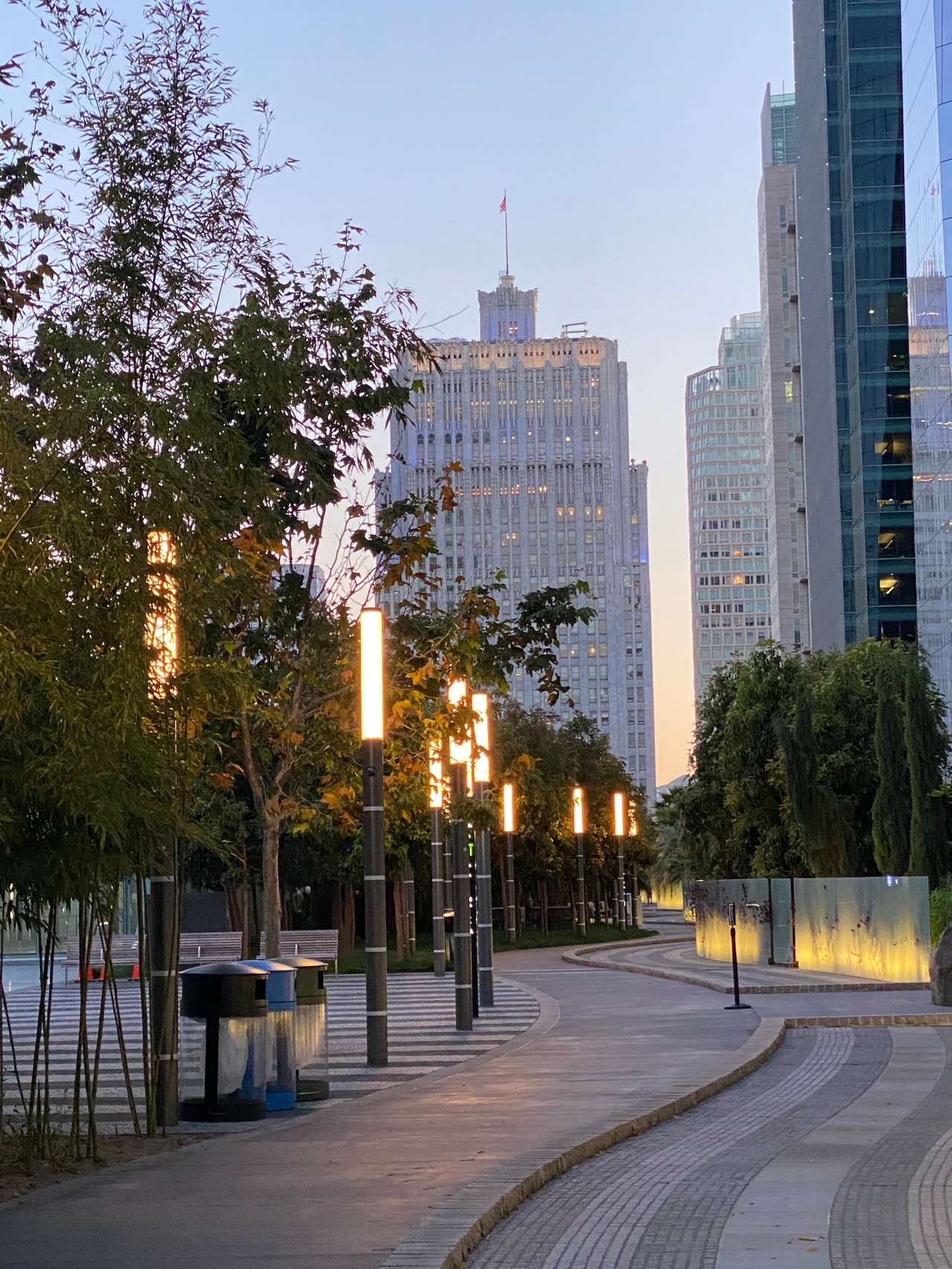
The East Cut stretches roughly from Market Street to Harrison Street and from 2nd Street to Steuart Street. It's a newer downtown neighborhood filled with high-rise residential buildings, restaurants, cafés, and public spaces like Salesforce Park and The Crossing at East Cut.
Unlike many of San Francisco's historic neighborhoods, the East Cut was designed for modern urban living. You'll find newer construction, larger windows, elevators, fitness centers, package rooms, and professional building management. If you've ever dreamed of locking your front door and hopping on a train instead of getting into your car, this is one of the easiest places in the city to do it.
It's also one of the more expensive downtown neighborhoods. As of May 2026, the broader 94105 ZIP code had a median listing price of approximately $1.25 million, with median rents around $6,300 per month. You're paying for location, convenience, Salesforce Tower Park as your backyard, and newer construction.
Life Is Easy Here
One of the East Cut's biggest selling points is how simple everyday life can be.
The Salesforce Transit Center connects eleven different transportation systems, including BART, Muni, AC Transit, SamTrans, Golden Gate Transit, Capitol Corridor, and Greyhound. Whether you're commuting to Silicon Valley, Oakland, Marin, or simply heading across town, you're remarkably well connected.
Then there's Salesforce Park.
Five stories above the street sits one of my favorite public spaces in San Francisco. It's 5.4 acres of walking paths, gardens, lawns, public art, and community events that somehow manages to feel peaceful in the middle of downtown. There's coffee. It's the kind of place that makes city living feel surprisingly livable.
Coffee shops, restaurants, grocery options, fitness studios, and everyday services are all within walking distance. If you're someone who values convenience, the East Cut delivers.
The Real Question: Do You Want High-Rise Living?
This is where the decision becomes less about the listing photos and more about your daily life.
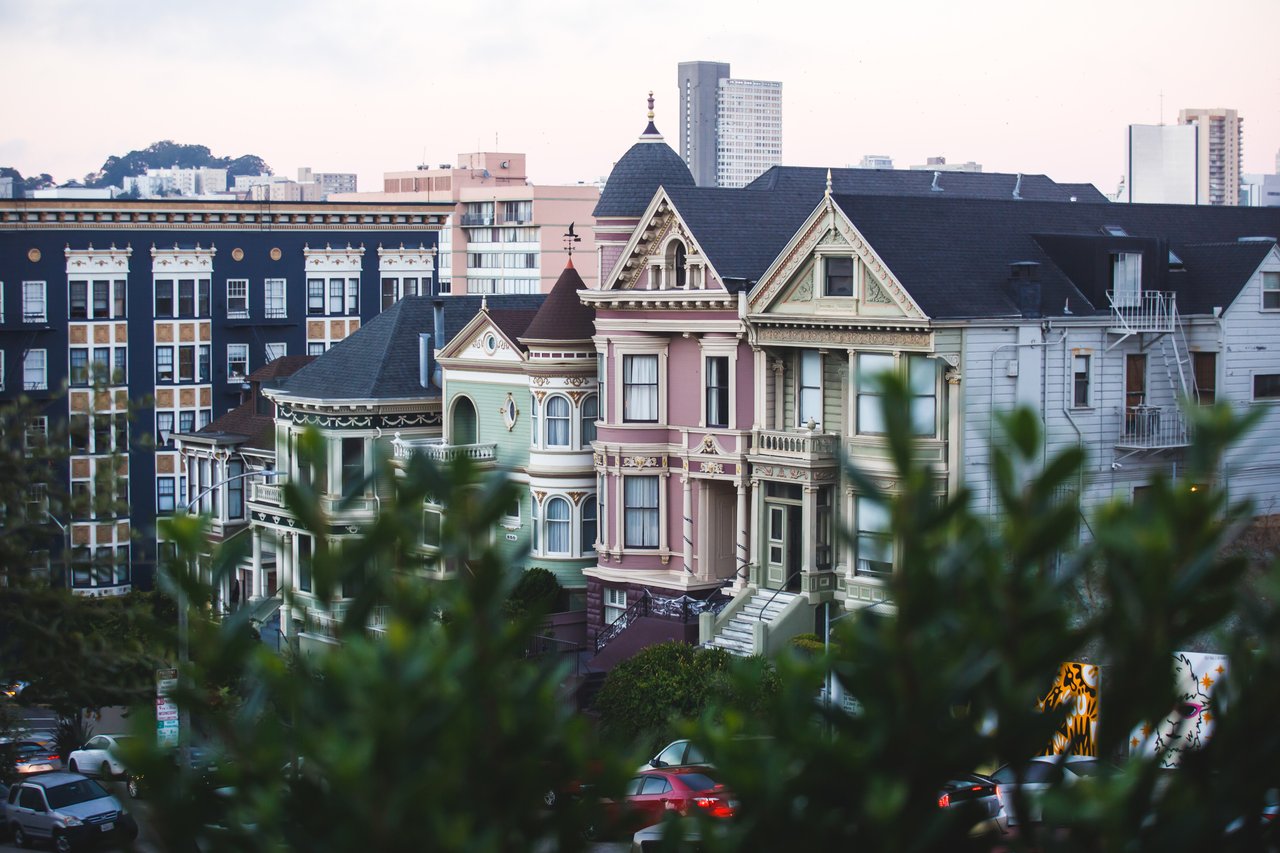
Living on the 30th floor is a very different experience than living in a four-unit Victorian in Noe Valley or a classic Edwardian in Russian Hill.
Neither is better.
They're simply different.
Some buyers love having a concierge, secure entry, elevators, and someone else maintaining the building. Others discover they miss opening the front door directly onto the sidewalk, gardening, or having fewer neighbors.
High-rise living also means relying on shared systems. Elevators occasionally break. Move-ins require scheduling. Deliveries often go through management. HOA rules become part of everyday life.
Those aren't reasons not to buy a condo. They're simply realities worth understanding before you fall in love with the view.
HOA Dues Can Change the Numbers Quickly
This is where I see many first-time buyers get surprised.
It's easy to focus on the purchase price and monthly mortgage while forgetting about HOA dues. But those dues become part of your monthly housing payment, and they can vary dramatically from building to building.
Recent East Cut listings included HOA dues ranging from roughly $800 per month to well over $3,000 per month.
That's a huge difference.
The goal isn't to find the lowest HOA. It's to understand what you're getting for your money.
Some buildings include concierge service, earthquake insurance, fitness centers, pools, parking, storage, and substantial reserve funds. Others offer fewer amenities and lower dues.
Sometimes paying a little more each month actually represents better long-term value.
Don't Just Ask About the HOA Fee
Ask what the HOA fee actually covers.
Does it include parking?
Storage?
Building insurance?
Amenities?
Are there healthy reserve funds for future repairs?
Has the association deferred maintenance?
Are there any pending special assessments?
I've seen buyers save thousands of dollars simply because they asked these questions before writing an offer.
The HOA documents tell the real story of the building.
The Rules Matter Too
Every condominium comes with governing documents, commonly called the CC&Rs.
These rules affect everyday life more than many buyers realize.
They may regulate pets, renovations, rentals, move-in procedures, short-term rentals, and other aspects of ownership.
Most of the time they're perfectly reasonable.
Occasionally they aren't.
That's why I encourage buyers to actually read them instead of assuming every building operates the same way.
New Construction Isn't Automatically Better
Many East Cut buildings are newer than condos elsewhere in San Francisco, and that's a real advantage.
You'll often find updated plumbing, electrical systems, energy-efficient construction, modern floor plans, and contemporary finishes.
But newer doesn't always mean cheaper to own.
Developers sometimes subsidize HOA dues during the early years of a building. Once those subsidies end, monthly dues may increase.
It's worth asking whether today's HOA fee reflects the long-term operating costs or whether changes are expected.
How Does the East Cut Compare to Older Neighborhoods?
If you're deciding between the East Cut and neighborhoods like the Mission, Russian Hill, Nob Hill, Marina, or Noe Valley, you're really comparing two different styles of city living.
Older neighborhoods offer history, architecture, and personality that's difficult to duplicate.
The East Cut offers convenience, newer construction, building amenities, and exceptional transit access.
Some buyers walk into a century-old Edwardian and immediately feel at home.
Others step into a modern high-rise with floor-to-ceiling windows and never want to leave.
Neither answer is wrong.
The right neighborhood is the one that fits how you actually want to live.
Before You Write an Offer
Before buying any condo in the East Cut, I recommend asking these questions:
- What does the HOA fee include?
- Are there any pending special assessments?
- How healthy are the reserve funds?
- Are major repairs expected in the near future?
- Are there association loans or deferred maintenance issues?
- What do the CC&Rs say about pets, rentals, remodeling, and move-ins?
- If it's new construction, have you reviewed the required California public report?
Buying a condo means buying into a community, not just purchasing four walls.
Understanding that community before you close can save you headaches later.
So... Is the East Cut Right for You?
If you want modern construction, incredible transit, walkability, and the convenience of managed building living, the East Cut deserves to be on your shortlist.
If you're looking for a quieter neighborhood, lower HOA costs, or a home with more character and less shared governance, another part of San Francisco may be a better fit.
Here's what I tell my buyers:
Don't fall in love with the view until you've fallen in love with the HOA documents.
A beautiful condo is wonderful.
A beautiful condo in a financially healthy building is even better.
If you're considering buying in the East Cut, I'd be happy to help you compare neighborhoods, evaluate HOA documents, and make sure you're buying the home that fits both your budget and your lifestyle. My goal isn't simply to help you buy a condo. It's to help you buy the right one.
Frequently Asked Questions
Is the East Cut a good neighborhood for first-time condo buyers?
It can be an excellent choice for buyers who want modern buildings, outstanding transit access, and an urban lifestyle. Just be sure to evaluate the HOA, the building's finances, and the monthly costs before making an offer.
Why are HOA dues so different from one building to another?
Each building offers different amenities, services, insurance coverage, reserve funding, and maintenance responsibilities. Looking only at the monthly HOA fee rarely tells the whole story.
What makes the East Cut different from older San Francisco neighborhoods?
The East Cut is one of San Francisco's newest residential neighborhoods, with modern high-rise buildings and excellent transportation connections. Older neighborhoods generally offer more historic architecture and a different style of city living.
Should I be worried about buying into an HOA?
Not necessarily. Many HOAs are well managed and financially healthy. The key is reviewing the documents carefully and understanding what you're buying into before closing.
Is the East Cut a good long-term investment?
Every buyer's situation is different, but the East Cut continues to benefit from exceptional transit infrastructure, modern housing stock, and its central location, making it an attractive option for many owner-occupants and long-term investors.