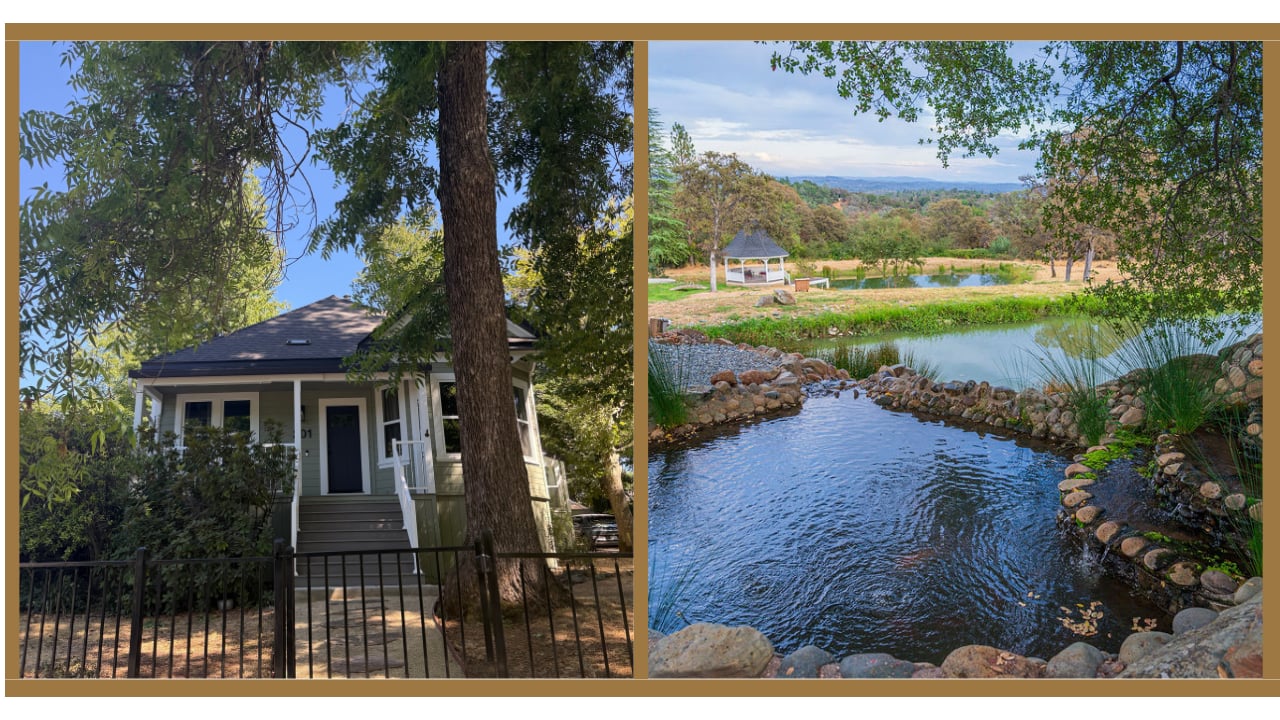
One of the first conversations I have with buyers moving to Nevada County goes something like this:
"I think I want acreage."
And honestly? They usually do.
The idea is pretty irresistible.
A few acres. Tall pines. A food garden. Maybe a workshop. Definitely chickens. Maybe a dog that finally gets the life they deserve.
But then we start looking at houses, and something interesting happens.
They discover downtown Grass Valley.
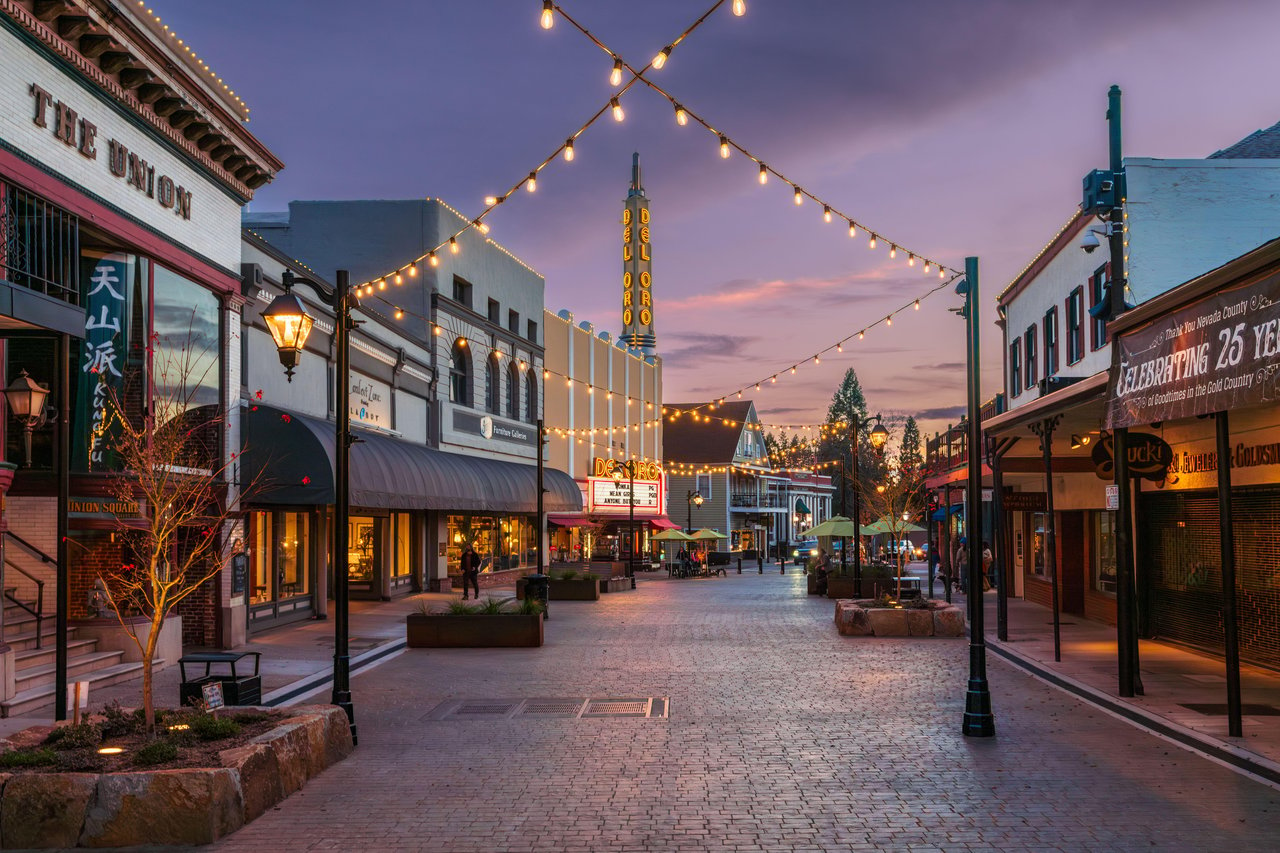
Suddenly, they're having chai at the gluten-free bakery on Mill Street, walking to dinner, popping into Lazy Dog for gelato, and realizing they can walk five minutes to everything instead of driving twenty.
That's when the real question appears:
Do you want space, or do you want convenience?
Neither answer is wrong. But they create very different lifestyles.
Why This Decision Matters
Grass Valley is unusual because you can have both options.
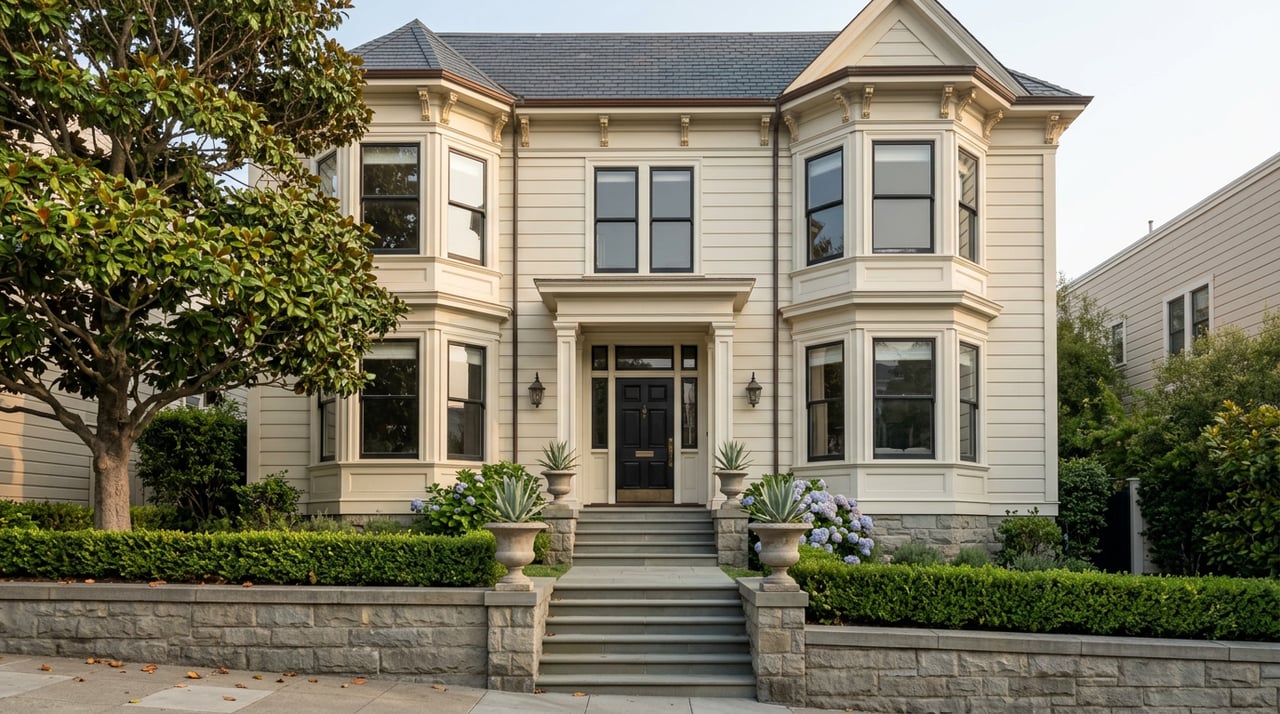
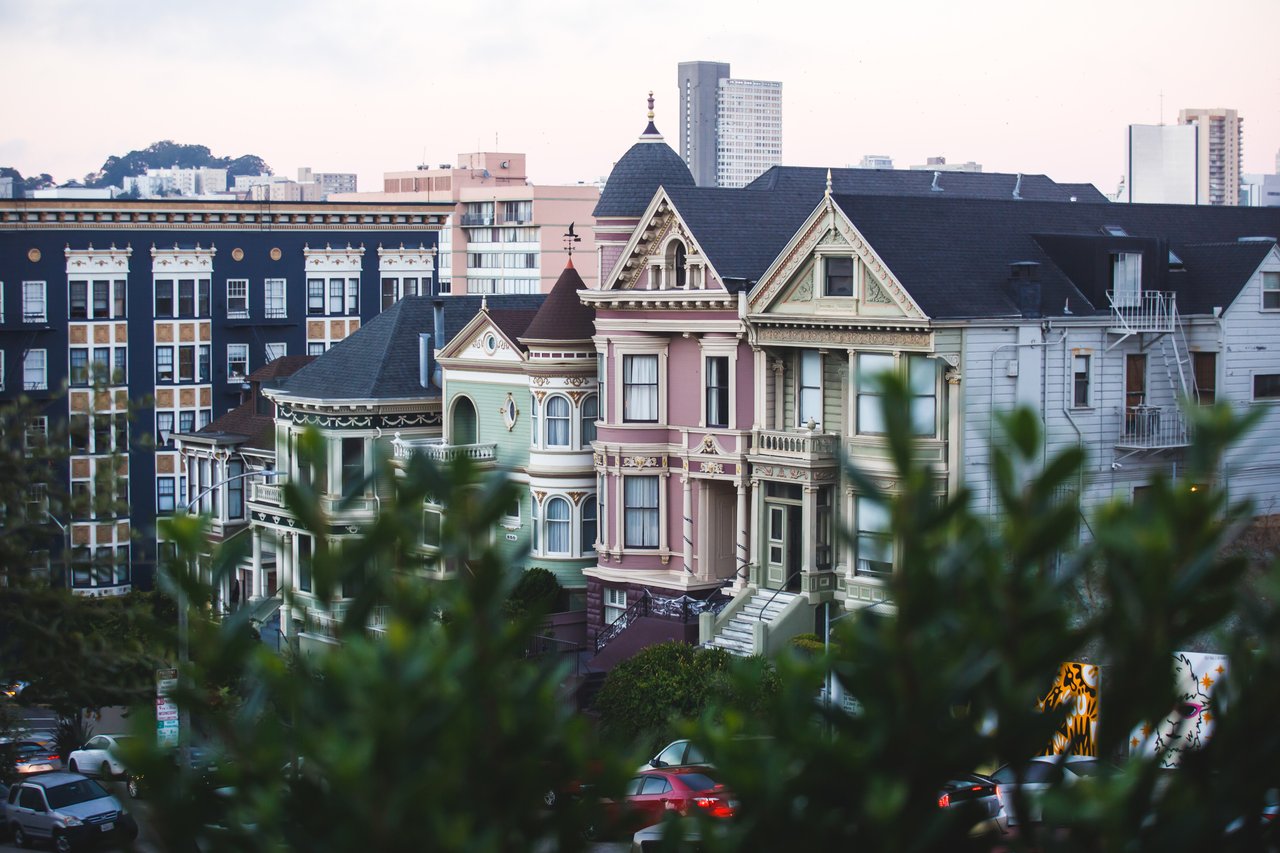
You can live in a charming Victorian a few blocks from downtown restaurants, galleries, the Center for the Arts, and dozens of community events.
Or you can own five, ten, or twenty acres tucked into the pines where your nearest neighbor feels wonderfully far away.
The drive between those lifestyles might only be ten or fifteen minutes.
The day-to-day experience is completely different.
The Case for Living In Town
If you're the kind of person who likes simplicity, an in-town home may be your sweet spot.
Life tends to be easier.
Most homes are connected to public utilities. Roads are maintained by the city. You're closer to grocery stores, restaurants, medical care, schools, and community events.
And you may be thinking, "But I wanted to garden."
Absolutely.
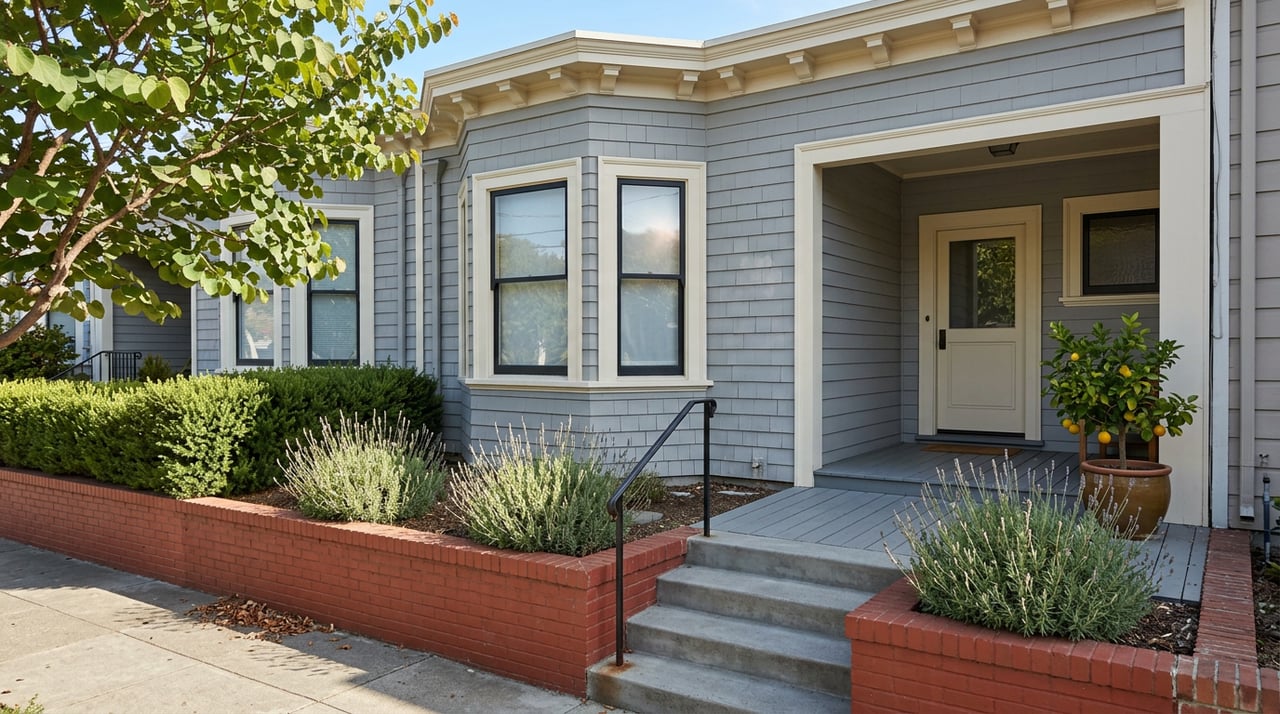
One of the surprises for Bay Area buyers is that you don't necessarily need acreage to have a garden. Grass Valley has plenty of in-town homes on quarter-acre and even half-acre lots, giving you room for raised beds, fruit trees, chickens, and a lot more than most people expect.
Need to run an errand?
It's probably five minutes away.
Want to grab dinner without turning it into an expedition?
Easy.
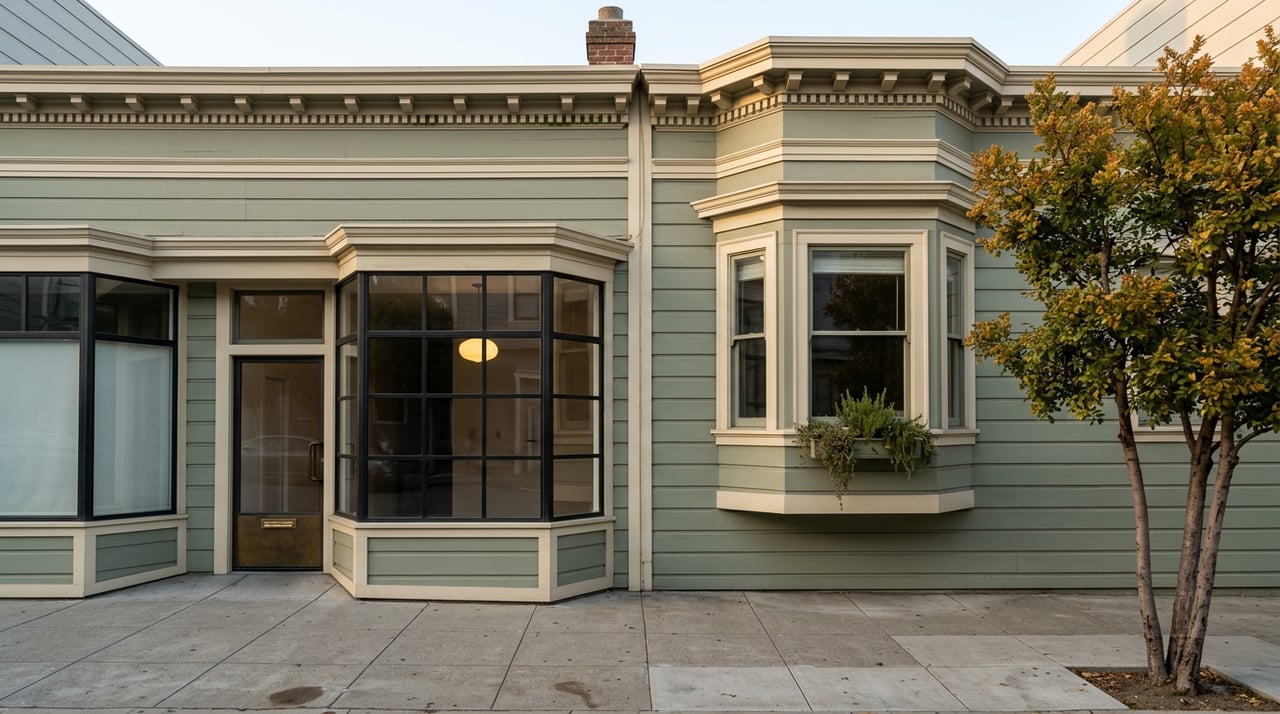
One of the things people love about downtown Grass Valley is that it still feels like a real town. Not a suburb. Not a collection of strip malls. An actual town with history, personality, stores owned by local humans instead of corporations, and neighbors who know each other.
If community matters to you, living closer to town often makes it easier to participate in the life of the community.
The Case for Acreage
Now let's talk about why so many people move here in the first place.
Space.
Privacy.
Quiet.
The ability to walk outside with your morning coffee and hear nothing but birds. And turkeys. And frogs.
Acreage gives you room to breathe.
You can garden. Build a workshop. Have animals. Create distance between yourself and the rest of the world.
For many buyers relocating from the Bay Area, acreage feels like freedom.
And honestly?
It often is.
But acreage isn't just more land.
It's more responsibility.
What Buyers Don't Always Realize About Acreage
When you own acreage, you're often responsible for things that city homeowners rarely think about.
You will likely have:
- A well instead of city water
- A septic system instead of public sewer
- A private road
- Long driveways
- Drainage systems
- More vegetation management
- More wildfire preparation
Here's something acreage buyers don't always realize:
When you own five or ten acres, you're not just buying land. You're becoming its steward.
You'll spend time clearing brush, managing trees, maintaining defensible space, and paying attention to how water moves across your property.
For many people, that's part of the appeal.
For others, it's a surprise.
Either way, it's worth understanding before you buy.
And yes, if you live in the forest, you'll take down trees.
Not once.
Not just when you first move in.
Trees age. Storms happen. Sometimes beetles or ants take over. Fire safety standards change.
Managing the health of your forest is an ongoing part of owning acreage in Nevada County.
Most longtime locals simply consider it part of the job.
None of these responsibilities are bad things.
They simply become part of homeownership.
Some people love that level of independence.
Others quickly realize they don't actually want another hobby called "property maintenance."
Neither reaction is wrong.
The Private Road Conversation
This is one of the biggest surprises for buyers.
A beautiful acreage property often comes with a private road.
Which sounds charming.
Until winter arrives and somebody has to maintain it.
Private roads can involve grading, gravel, drainage, pothole repair, culverts, snow removal, and coordination with neighbors.
Before you buy acreage, it's important to understand exactly who maintains the road and how those costs are shared. In many neighborhoods, it's not a huge expense. Often, a few neighbors collect a few hundred dollars a year and coordinate maintenance together.
This isn't a deal-breaker.
It's simply part of owning rural property.
Commutes Feel Different Here
One thing that surprises Bay Area buyers is that distances on a map don't tell the whole story.
A property may look close to town, but winding roads, weather, and terrain can make a ten-minute drive feel very different from a twenty-minute one.
When we're touring homes, I always encourage buyers to think about the trips they'll make every week:
- Grocery shopping
- School drop-offs
- Medical appointments
- Dinner with friends
- Trips to Sacramento
- Airport runs
The right property isn't just beautiful.
It's practical for the life you actually live.
Wildfire Readiness Is Part of Living Here
Whether you're in town or on acreage, wildfire preparedness is part of life in Nevada County.
The difference is usually scale.
With acreage, you often have more land to maintain and more defensible space to create.
That means more brush clearing, more vegetation management, and more ongoing attention.
For some homeowners, that's a small price to pay for privacy.
For others, it's the moment they realize they may be happier closer to town.
So Which Is Better?
Neither.
The best choice depends entirely on how you want to spend your time.
If your dream life involves gardening, privacy, animals, workshops, and room to roam, acreage may be exactly what you're looking for.
If your dream life involves convenience, community, restaurants, events, and less maintenance, an in-town home might be a better fit.
The trick is being honest about your lifestyle.
Not your fantasy Saturday.
Your actual Tuesday.
Because most of us don't live our lives on Saturday.
We live them on Tuesday.
The right home shouldn't just look good in photos.
It should support the life you actually live.
Thinking About Moving to Grass Valley?
Whether you're looking at homes for sale in Grass Valley, Nevada City, Alta Sierra, or the surrounding Nevada County foothills, understanding the difference between in-town living and acreage can save you from buying the wrong dream.
I've helped plenty of buyers make this exact decision, and it's one of my favorite conversations.
We'll look at the numbers, the practical realities, and the lifestyle each property offers so you can choose with clear eyes and no surprises.
Whether you end up downtown or tucked away on ten acres, the goal is the same:
A home that makes your life better.
Wendy Newman
Realtor®
Serving Grass Valley, Nevada City, and beyond.