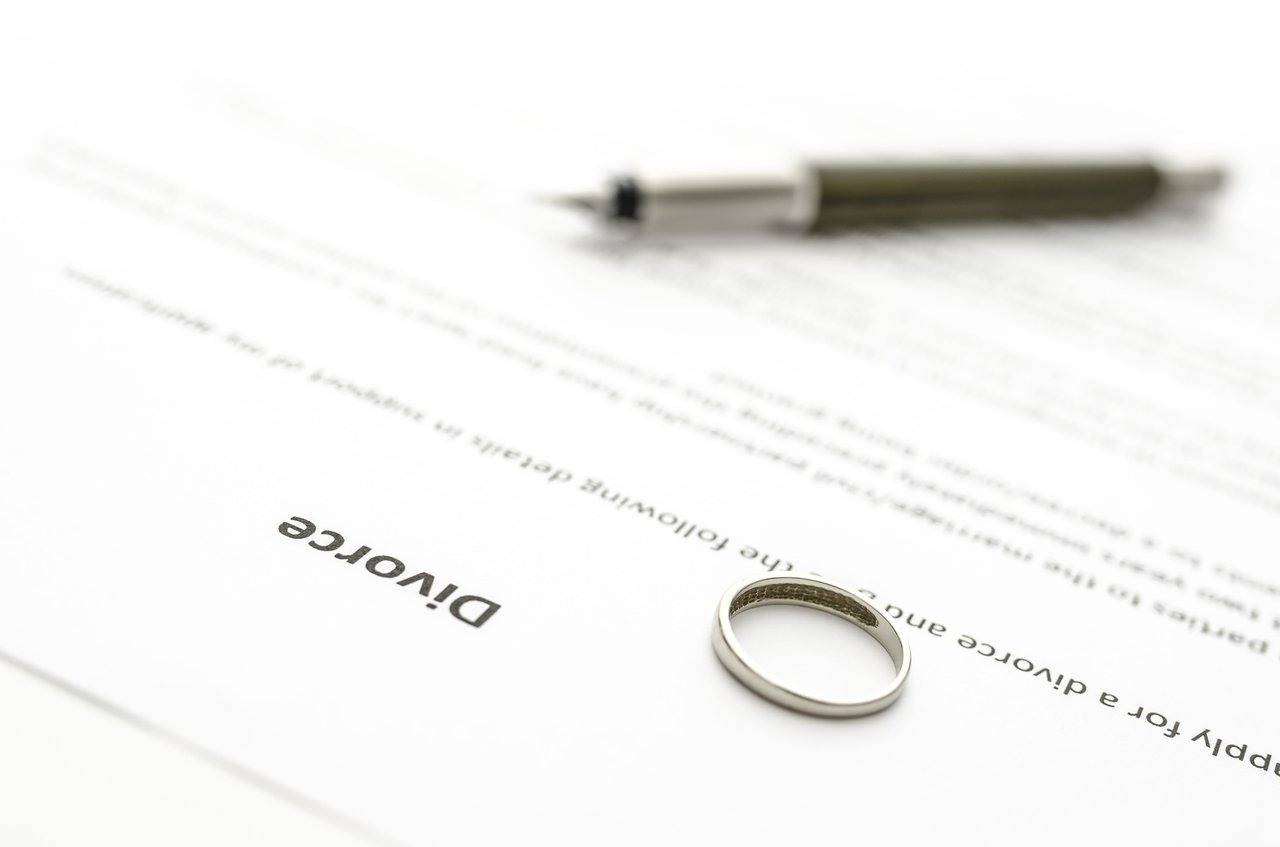
Divorce is one of life's biggest transitions.
Adding San Francisco real estate to the equation can make it even more complicated.
For many couples, the house isn't just where they live. It's their largest financial asset. It's also where they built a life together, raised children, celebrated milestones, and imagined a future that may no longer be unfolding as planned.
That combination of money and emotion can make decisions about the home incredibly difficult.
As a San Francisco Realtor and Real Estate Collaboration Specialist–Divorce (RCS-D), one of the most common questions I hear is:
"What should we do with the house?"
Unfortunately, there isn't a one-size-fits-all answer.
Every divorce is different. Every property is different. And in San Francisco, every neighborhood, building, and market segment behaves a little differently as well.
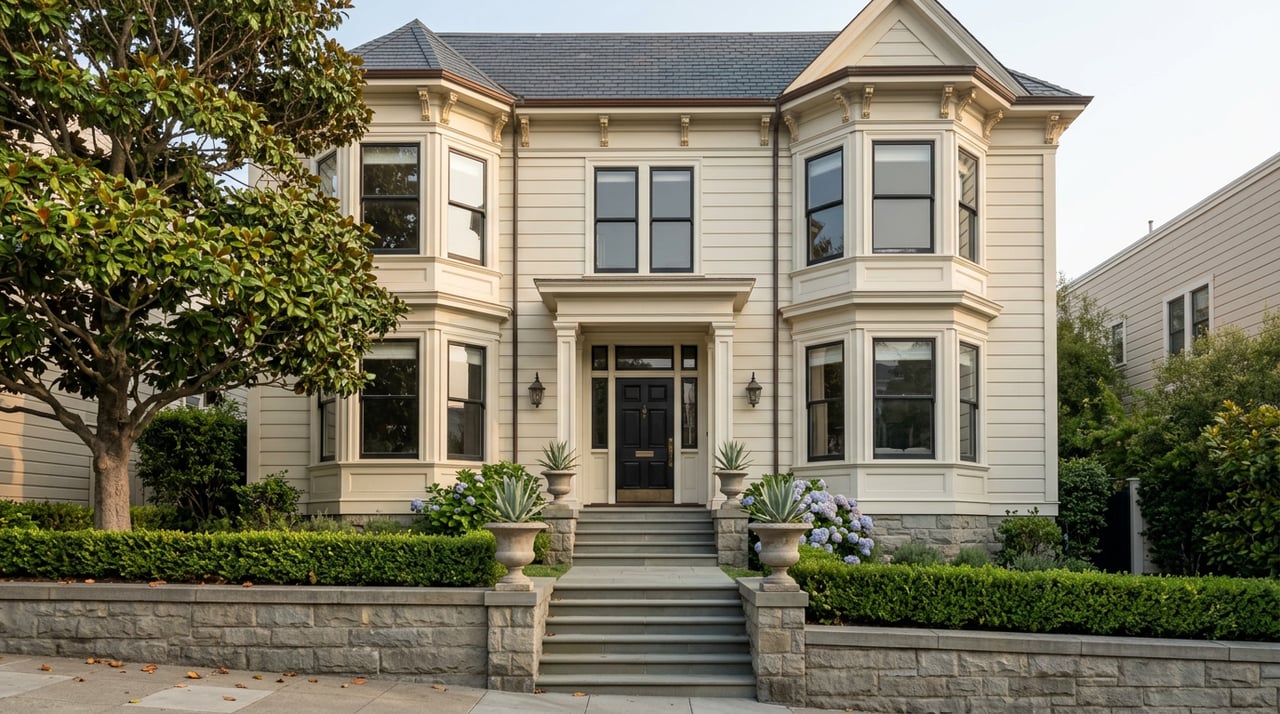
A Victorian in Noe Valley presents a different set of challenges than a condominium in South Beach. A home purchased twenty years ago with significant appreciation raises different questions than a recently purchased property with little equity and a 2.5% interest rate. Add in children, retirement plans, stock compensation, trusts, rental units, inherited property, or differing financial goals, and things can become complicated quickly.
The good news is that you don't have to navigate those decisions alone.
The House Is Usually More Than a House
One of the biggest mistakes I see during divorce is treating the home as purely a financial decision, or purely an emotional one.
It's both.
Sometimes keeping the house makes perfect sense. A parent may want to provide stability while children finish school. A spouse may have the financial resources to retain ownership comfortably.
Other times, the desire to keep the house has less to do with practicality and more to do with not wanting to let go of the "forever" dream.
Divorce often involves letting go of a future you thought you were building. It's completely understandable to want to hold onto something familiar during that process.
But the house itself isn't the dream.
It's important to separate the emotional value of a property from its financial reality.
That doesn't mean selling is always the right answer. It simply means the decision should be made with clear information rather than fear, guilt, anger, or wishful thinking.
The Three Most Common Paths Forward
In most divorces, homeowners ultimately choose one of three options.
Sell the Home and Divide the Proceeds
This is often the cleanest solution.
Selling allows both parties to access their equity and move forward independently. It removes future disputes over maintenance, expenses, and ownership responsibilities. If you don't want to be married, it's unlikely that you want to become business partners. And that's what owning property together is.
In San Francisco, where property values can be substantial, understanding the home's true market value is critical. Small pricing mistakes can mean tens of thousands in lost proceeds.
A realistic valuation, thoughtful preparation, and a strong marketing strategy can make a significant difference in the outcome.
One Spouse Keeps the Home
This option is common, particularly when children are involved.
However, keeping the house is often more complicated than people initially realize.
Questions that need to be answered include:
- Can the remaining spouse qualify for financing independently?
- What will the mortgage payment look like after a refinance?
- How will current interest rates affect affordability?
- Can ongoing maintenance, insurance, taxes, and repairs realistically be supported on a single income?
- How will the buyout amount be determined?
- What inspections should we get to determine value?
In San Francisco, where property taxes, insurance costs, and maintenance expenses can be substantial, these questions deserve careful consideration.
Continue Co-Ownership Temporarily
Some couples decide to retain ownership together for a period of time.
This may allow children to remain in the home, give the market time to improve, or provide flexibility while other financial matters are being resolved.
I've seen this work well.
I've also seen it create significant conflict.
When former spouses continue owning property together, clear written agreements become essential. Expectations regarding expenses, maintenance, occupancy, timelines, and future sale conditions should be clearly defined.
At that point, you're no longer functioning as a married couple. You're functioning as business partners.
The clearer the agreement, the smoother the experience tends to be.
Timing Matters More Than Most People Realize
One of the biggest mistakes I see is waiting too long to involve a real estate professional.
Often, by the time attorneys are drafting settlement agreements, important real estate decisions should have already been discussed.
Questions about value, equity, selling costs, buyout options, market timing, and future housing plans can significantly influence broader settlement conversations.
Bringing in a Realtor early doesn't mean you're committing to sell.
It means you're gathering information.
And good decisions are almost always made from good information.
How an RCS-D Realtor Helps
As a Real Estate Collaboration Specialist–Divorce (RCS-D), I've received specialized training in the unique challenges that arise when real estate and divorce intersect.
My role is not to provide legal advice or take sides.
My role is to provide accurate information, help both parties understand their options, communicate professionally, and guide the real estate process with as much neutrality and clarity as possible.
If you decide to keep the house, I'll give you the four common pitfalls so you can avoid them.
Divorce is emotional enough.
The real estate portion doesn't need to create additional conflict.
Whether the goal is selling a Pacific Heights condominium, evaluating options for a Noe Valley family home, or determining the value of a long-held investment property, my job is to help clients make informed decisions based on facts rather than assumptions.
Moving Forward
Divorce marks the end of one chapter, but it also creates space for the next one.
Whether you're considering divorce, currently in the middle of one, or simply trying to understand your options regarding a San Francisco property, I'm always happy to have a confidential conversation.
Even if your goal is to keep the house.
Sometimes, the most valuable thing a homeowner can receive during a difficult transition is clarity.
And clarity is where good decisions begin.
Wendy Newman
RCS-D | Realtor®
Serving San Francisco and the Greater Bay Area